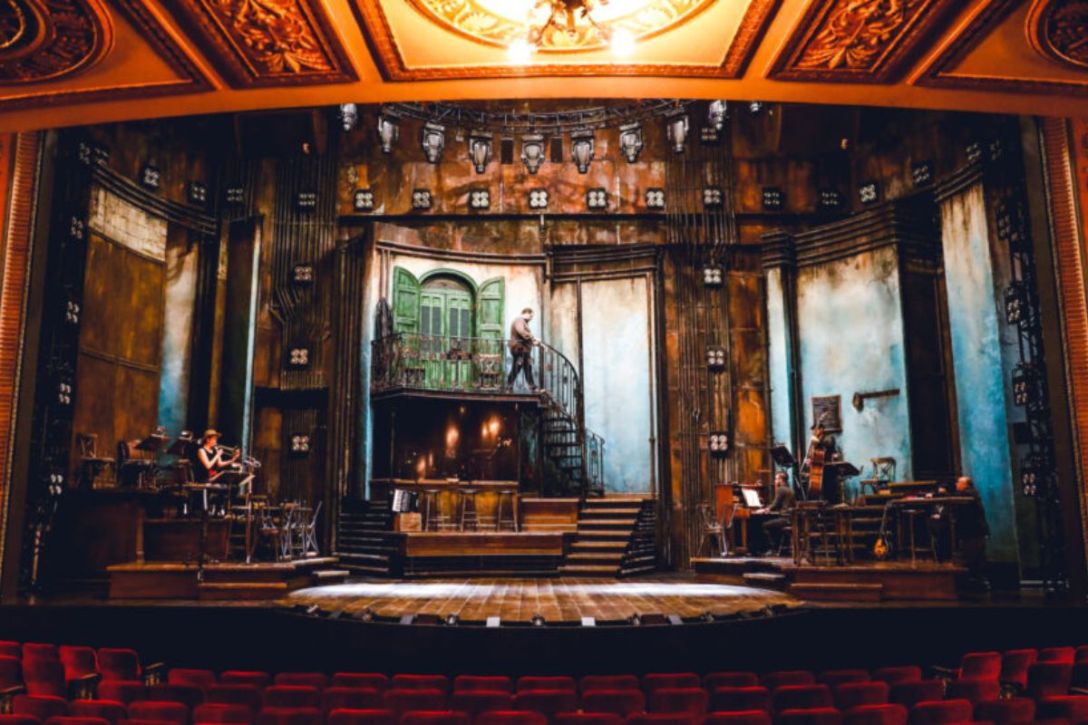
I was listening to Hadestown the other day (and feeling jealous of anyone who got to see the OBC on the West End this week… even though I also saw the OBC plus a few truly exceptional understudies a few years ago) and thinking about the Hadestown gasp.
If you don’t know what the Hadestown gasp is, it’s — spoilers ahead for the show and the more-than-2000-year-old Greek myth — the audience reaction when Orpheus turns back to look for Eurydice as she follows him out of Hell, breaking the deal he made with Hades and dooming her to return to the underworld.
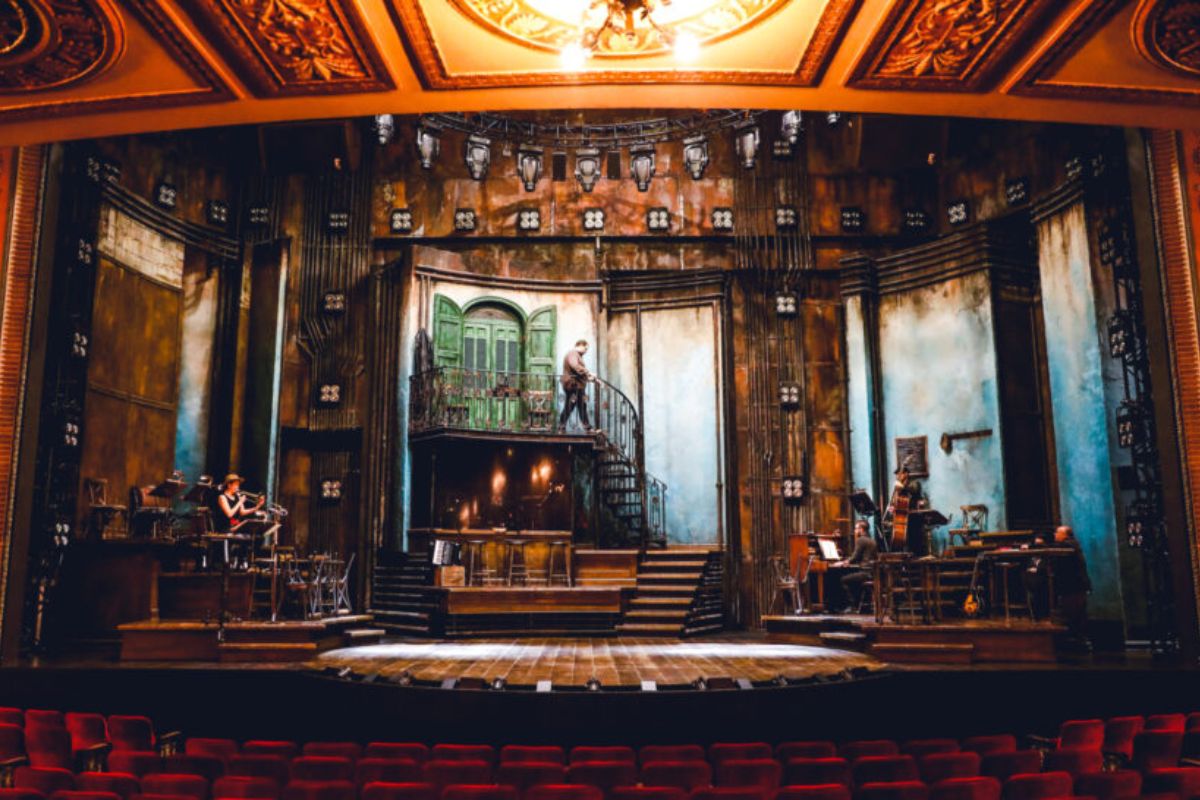
For those who don’t know the story, it’s a shocking moment in the musical, even though it is foreshadowed in the opening number: It’s a love song / (It’s a love song) / It’s a tale of love from long ago / It’s a sad song / (It’s a sad song) / But we’re gonna sing it even so. It’s inevitable that, at every performance, there is a gasp in the audience when Orpheus looks back.
But it’s not just from first-timers, or for those who don’t know the story. I’ve only seen Hadestown once, but I knew the myth it was based on going in, and I still gasped. And even knowing this particular iteration of the story apparently isn’t defense enough when plenty of audience members who have seen the show multiple times have commented that they, too, still gasp every time.
And when the reprise of the opening number comes near the end of the show, it comments on this, too: See, someone’s got to tell the tale / Whether or not it turns out well / Maybe it will turn out this time
There has to be an element of hope in tragedy or there’s no point. Romeo and Juliet isn’t one of the most performed plays of all time because we love to watch foolish teenagers die — some part of us has to believe that maybe, maybe they won’t be star-crossed and their their plot will work out just this once.
To quote one of the title characters in my favorite play of all time, Tom Stoppard’s riff on another of Shakespeare’s oft-performed tragedies: “There must have been a moment, at the beginning, where we could have said—no. But somehow we missed it […] Well, we’ll know better next time.”
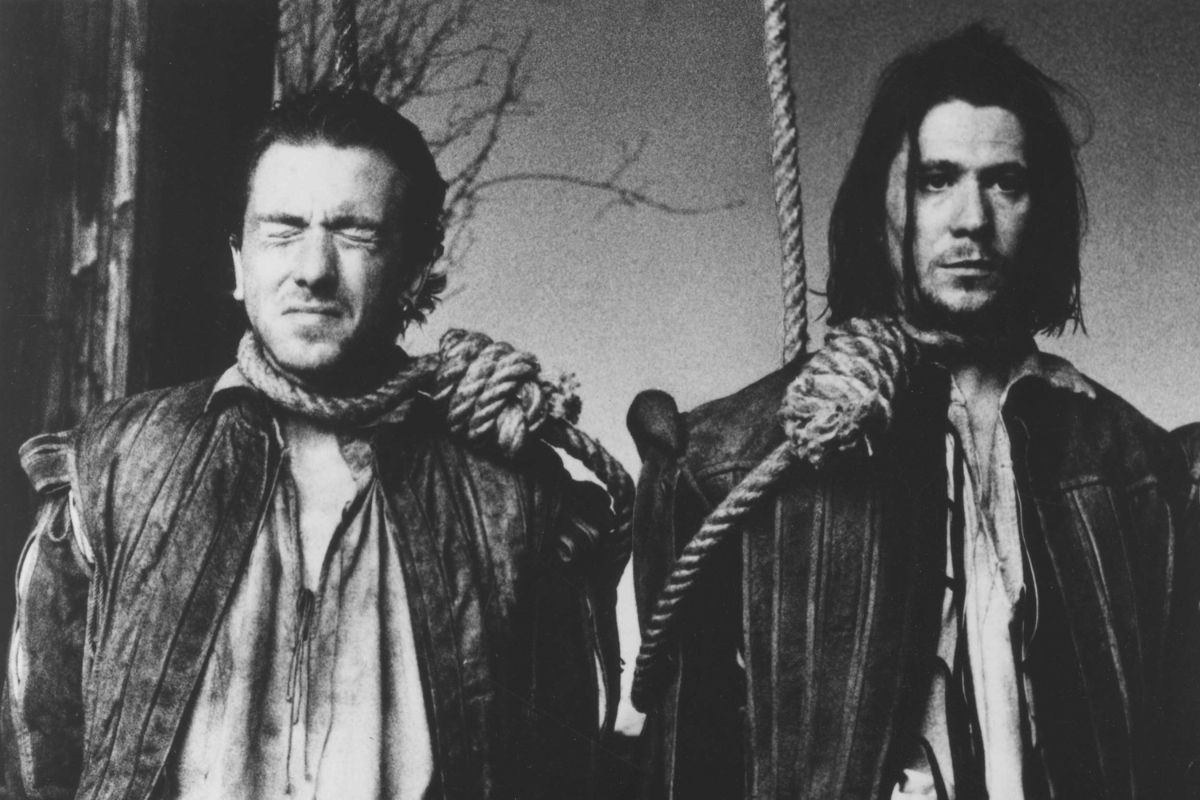
If you know Hamlet then of course you know that there is no next time for Guildenstern (or is it Rosencranz?) but there must have been a moment—no. But you have to believe there might be. A story can be unrelentingly miserable and still be a good piece of art, and some stories have no choice but to be hopeless, but these aren’t the ones we revisit over and over.
It’s part of the catharsis that has been discussed as an element of theatrical tragedy since the Ancient Greek times that first birthed the Orpheus and Eurydice story. Those slivers of hope are what allow us to empathize with what we are watching on stage (or reading, or seeing on screen, as it is not solely limited to theatre). And our empathy allows us to vicariously feel our emotions through the story, and feel that catharsis through the tragedy.
Kurt Vonnegut wrote in Slaughterhouse-Five about another age-old character who couldn’t help but look back when she wasn’t supposed to: “And Lot’s wife, of course, was told not to look back where all those people and their homes had been. But she did look back, and I love her for that, because it was so human.”
Maybe there’s a life lesson here, I don’t know, but what I do know is that Orpheus must look back, and we must be shocked. If ever there comes a time that no one reacts, then there is no point anymore to the story being told. But I don’t think that will happen, soon or ever. Someone, at least one person, will continue to hope, and he will continue to shatter that hope, through no fault of his own, but because that’s the way the story goes.
It’s a sad song, and we’re gonna sing it again.
 thebestpossibletime