
It’s the most wonderful time of the year!
The leaves are falling, the pumpkin men are dancing and it’s currently the most socially acceptable season to read as much horror as you can get your hands on. Obviously, I’m a year-round horror kind of gal, but for those who save their scares for spooky season, I have some recommendations of horror novels, new and old, that will get you in to the Samhain spirit.
Just to keep it simple, I’ve stuck to books published in the last five years, and I’ve left out the obvious heavy hitters like Stephen King because I figure if you’re interested in the horror classics you can probably find them yourselves. But if you do want some recommendations by the masters and from the back catalogue, give me a shout.
What to read if… you’re new to horror

I was thrilled that my book club allowed me to suggest a horror novel recently, and The Hacienda by Isabel Cañas was a big hit. This lush, atmospheric novel is as much romance as it is horror, and the beautiful writing will draw you in even if you’re hesitant about the scares.
There are no jump scares in The Bog Wife by Kay Chronister, only a sense of melancholy and decay that is potentially as scary as any ghost or demon. For those who love folk tales, family drama, and climate anxiety (maybe “love” is the wrong word), this book is the one.
What to read if… you’re all about the vibes
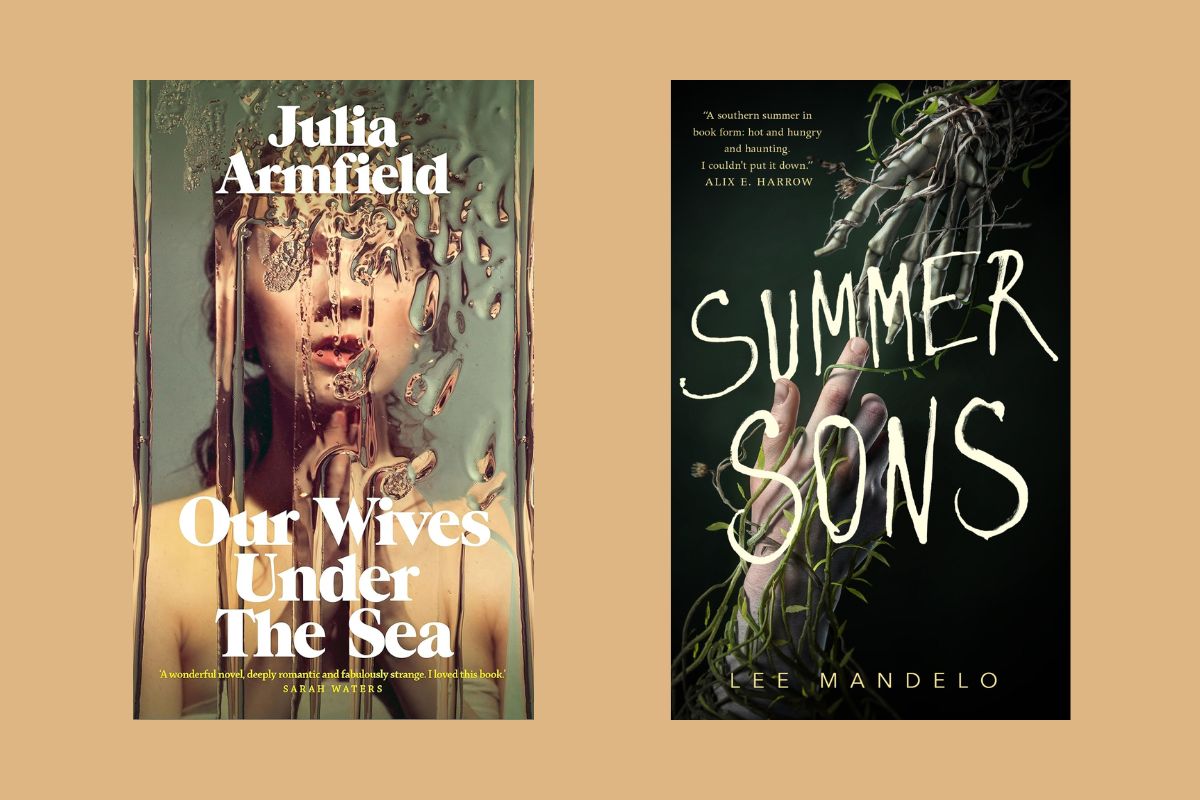
If you know me, I’ve probably already told you to read Our Wives Under the Sea by Julia Armfield. But in case I haven’t, please read Our Wives Under the Sea by Julia Armfield. Weird, watery, beautiful and devastating.
Lee Mandelo is a master of the modern southern gothic, and Summer Sons is my favorite of his books. It’s visceral and compelling, and the sweat practically drips off the page.
What to read if… you’re in your “good for her” era
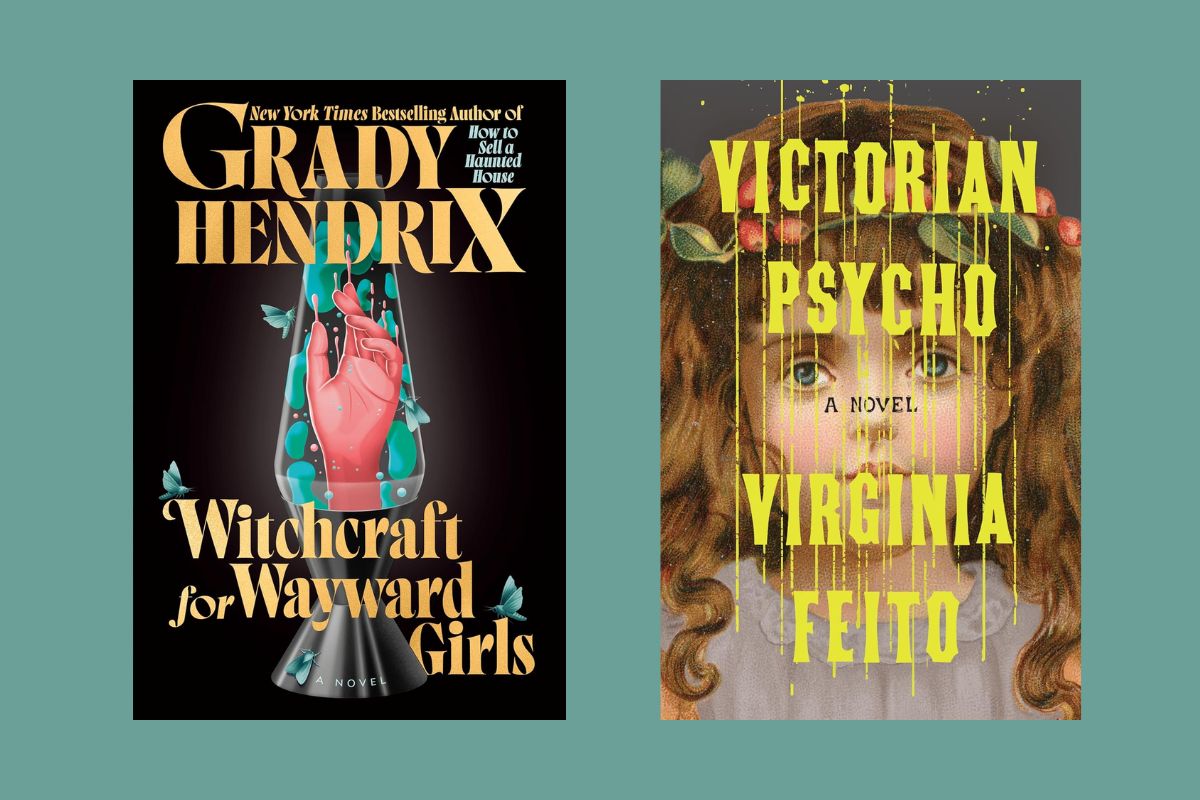
The pregnant teenage characters in Witchcraft for Wayward Girls by Grady Hendrix are due a win as they’re sent to a miserable mother and baby home in 1970s Florida to be hidden away until they give birth. And if that win is getting tangled up in some seriously shady witch business? So be it.
If you’d rather your heroines just to be deranged for no reason, then Victoria Feito’s cheerful murderess Winifred Notty is your girl. Victorian Psycho, indeed. This book is wild and gory and so much fun.
What to read if… you want a recent book that’ll be remembered as a classic
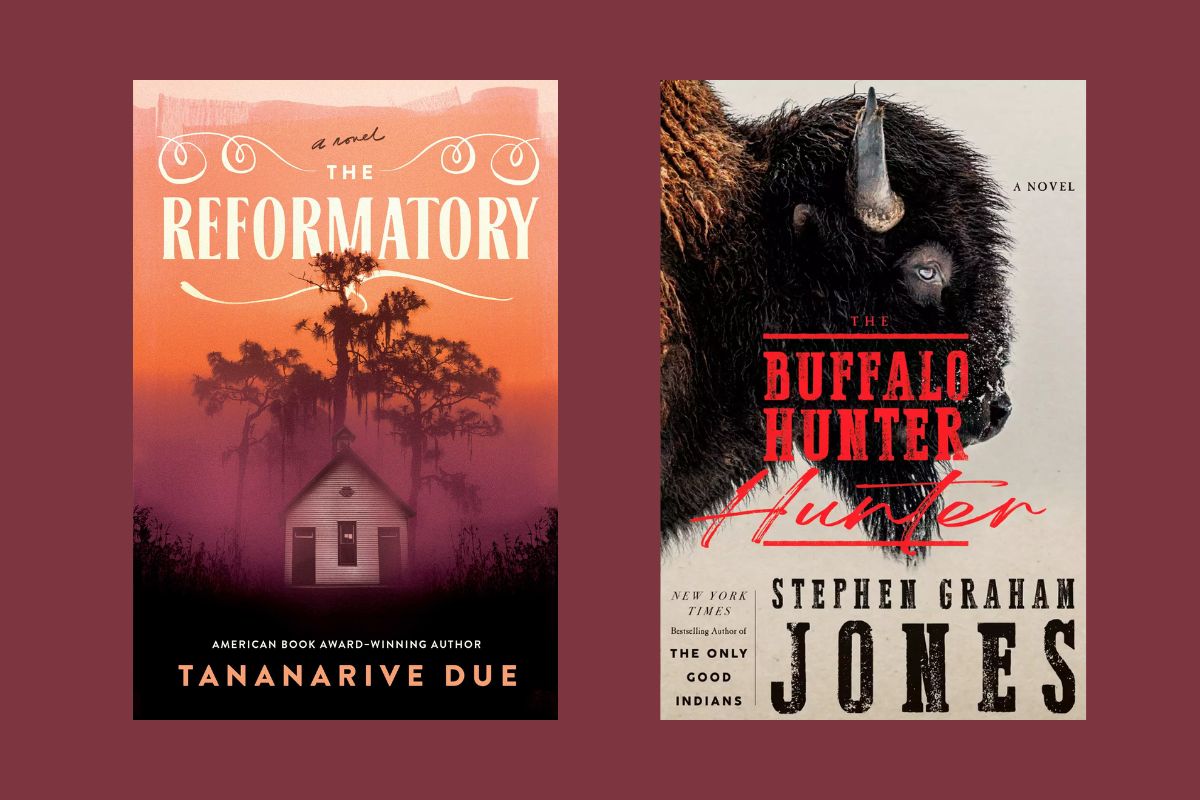
The Reformatory by Tananarive Due and The Buffalo Hunter Hunter by Stephen Graham Jones have a lot in common. They’re both deeply inspired by true historical evils (abusive reformatory schools in the Jim Crow era Deep South for the former, the Marias massacre of Blackfeet peoples in the latter), they both bring supernatural elements to these real-life horrors, and they’re both written by authors who I’m confident will be regarded as integral parts of the literary canon for the genre in years and decades to come. Two powerful, frightening, incredible books.
What to read if… you like your stories short and sweet scary

Spanning a variety of genres and drawing inspiration from folklore and myth, Never Have I Ever by Isabel Yap is a short story collection that will appeal to horror and non-horror fans alike. A strong debut and I hope we’ll see more from Yap soon.
One for the weird girls, She’s Always Hungry by Eliza Clark reminds us that there’s nothing better than a really fucked up short story. A must-read for “The Shadow Over Little Chitaly” alone, which is formatted as a series of meal delivery app reviews.
What to read if… forever sounds like a scarily long time
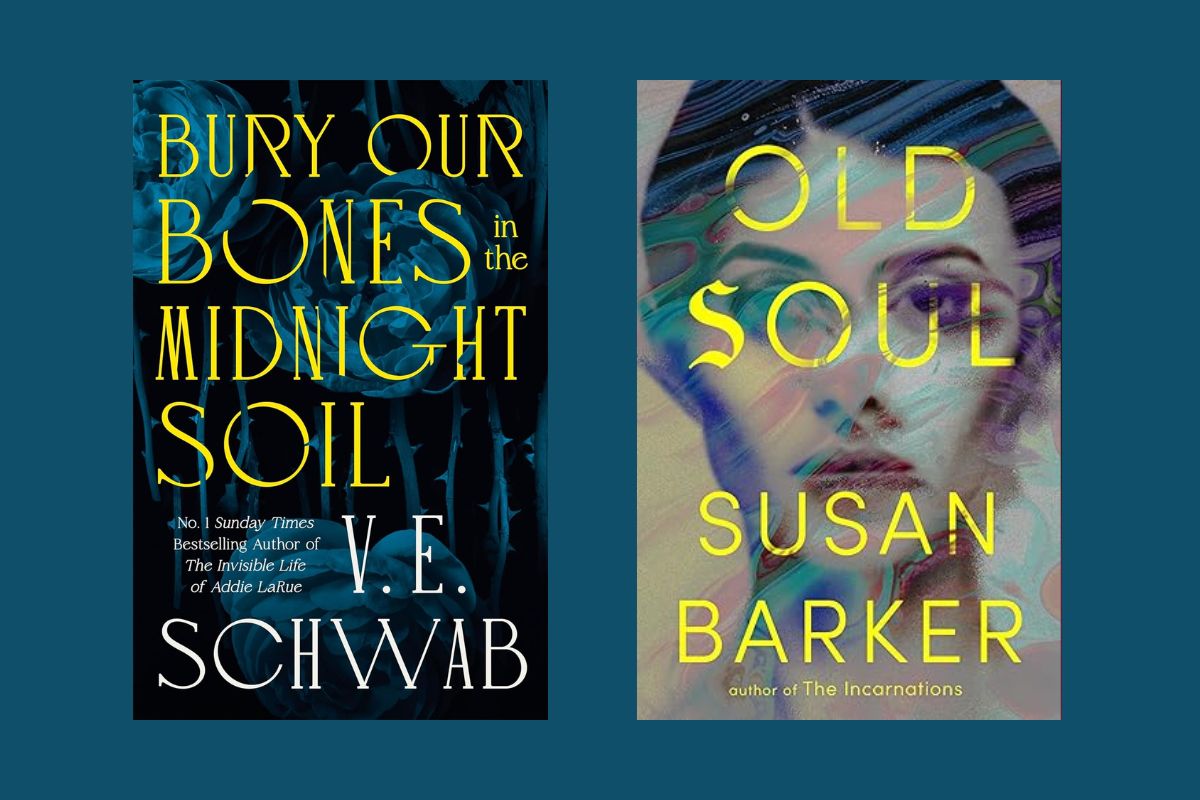
Nobody does immortality quite like a vampire, and Bury Our Bones in the Midnight Soil by V.E. Schwab follows three vampiric women across their long, long lives, from 1500s Spain to 1800s London to 2000s Boston. Schwab’s story has all the timeless elements while also bringing something new to the classic tropes.
There’s an old myth that someone taking your photo can steal your soul, and a similar horrifying concept serves as the conceit of Old Soul by Susan Barker. As much as I love horror, I rarely feel genuinely shaken when reading, but this book definitely did it.
What to read if… you think fact is scarier than fiction

I think that, maybe more than in any other genre, most people who love horror can pinpoint exactly when they became fans. Why Horror Has a Hold on Us by Anna Bogutskaya explores those moments, as well as why the horror genre gets so many of us in its grips.
For a more academic take on the topic, Jeremy Dauber’s American Scary: A History of Horror, from Salem to Stephen King and Beyond provides an exhaustive but fascinating look at similar themes, with a focus on the way horror has held up a mirror to American society and history.
Bonus: what I’m reading this October (and beyond)
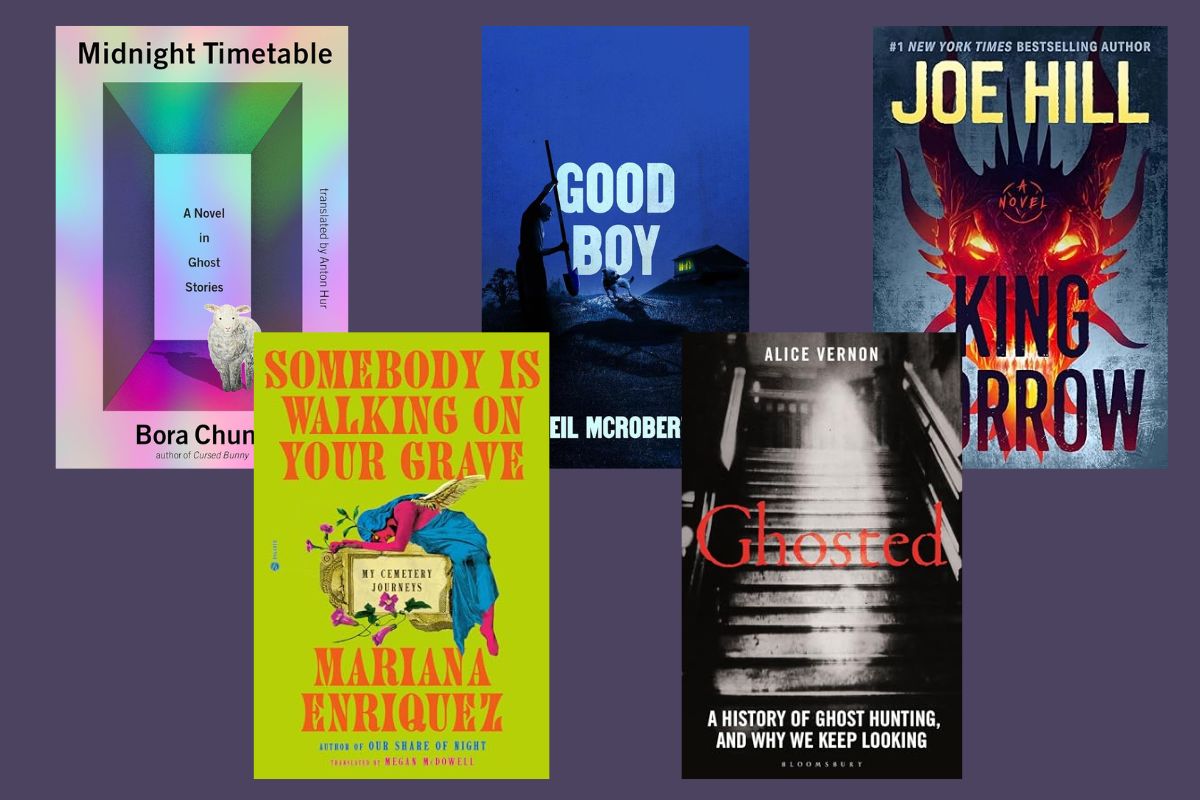
2025 has been a ridiculously good year for horror, with new books from big names, fresh faces, and scary stories across every sub-genre. I already wrote about my favorite horror books published in January-June of this year, and since then I’ve read plenty more that I’ll share about later.
Naturally, late-September through October is peak publishing season for horror, and some of the new and upcoming releases I’ve got on the tbr this month are Midnight Timetable by Bora Chung, Good Boy by Neil McRobert and King Sorrow by Joe Hill.
I’ve also been eager to read The End of the World As We Know It, an anthology of short stories set in the world of Stephen King’s epic The Stand, but I realized it’s been at least 16 years since I read the novel so I want to revisit it first. Anyway, what’s October without some Stephen King?
On the nonfiction side I’m looking forward to reading Somebody is Walking on Your Grave by Mariana Enriquez and Ghosted by Alice Vernon.
What are you reading this October?


 thebestpossibletime