You may have noticed that my blog was dormant for the last few months. I’m still trying to figure out what exactly I want to do with it — more on that to come, hopefully.
By the way, I did finally do something I’ve been talking about for years, which is to make an instagram account specifically for talking about books: soleofareader. I still prefer long-form writing to pithy instagram captions (and definitely to any sort of video content), but I wanted a place where I could chit-chat a little more about what I’m reading, so give it a follow if you like.
In the meantime, I had to bring it back at least for one my annual post in the lead up to the Women’s Prize announcement! One of my favourite literary awards, I always make sure to read the full shortlist for the fiction prize before the winner is announced.
My thoughts on previous years’ shortlists: 2025; 2024; 2022; 2021
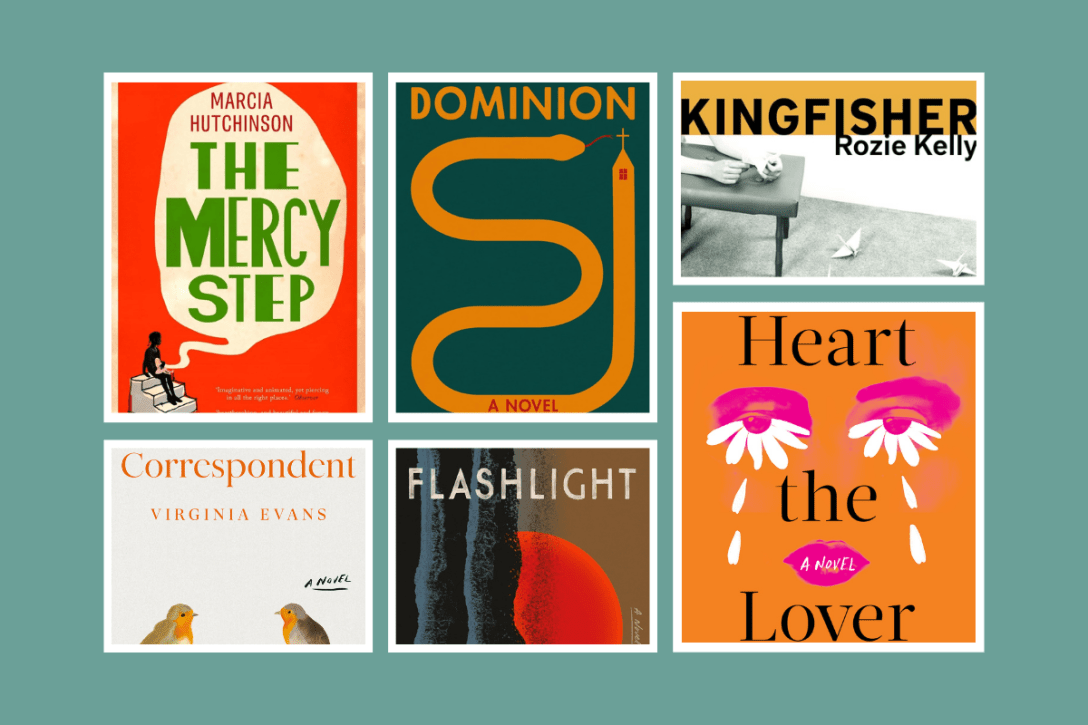
This year of the six shortlisted novels, I had only read one prior to the shortlist being announced. So I was excited to dive in to the other five over the last couple of months. Overall, it’s a strong shortlist. There were four novels I loved, one that didn’t quite hit for me but that had a lot to recommend about it, and only one that I unfortunately didn’t connect with. Find my reviews and ranking below, and make sure to look out for the winner announcement on June 10!
6. Kingfisher by Rozie Kelly
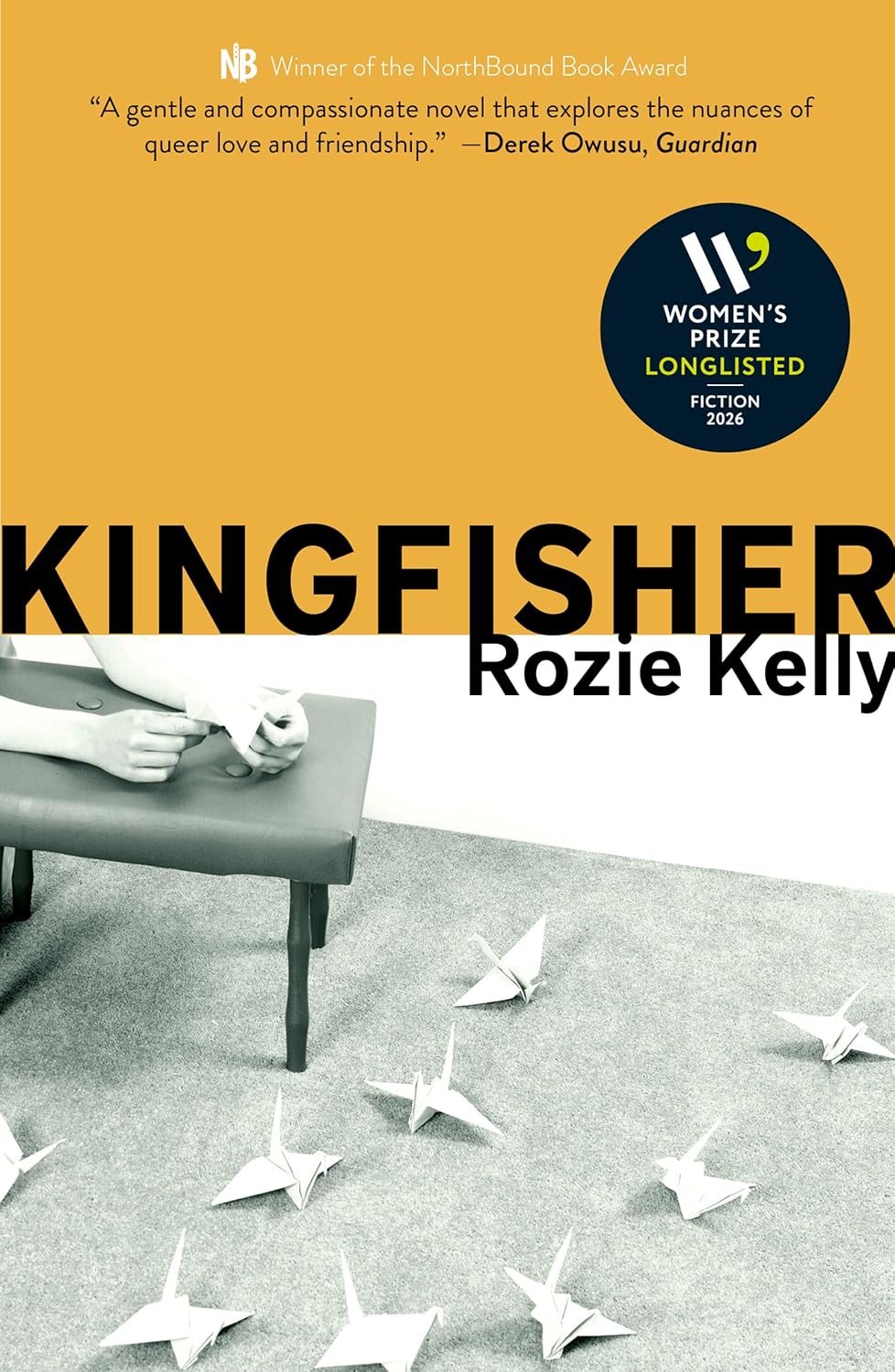
Written from the POV of an unnamed protagonist, this story is about a man who finds himself infatuated with his poet colleague, to the detriment of his relationship with his partner. As he navigates these relationships (as well as a complex relationship with his homophobic mother) and his conflicting desires, he must reckon with the give and take of his connections to those he loves.
I’m sorry to say that this novel left almost no impression on me. I wouldn’t have liked the protagonist but for the fact that I was so indifferent that I really couldn’t muster up enough emotion to reach dislike. The writing was poetic, but felt overly polished, and the characters felt more like a flat checklist of archetypes than believable people.
5. Flashlight by Susan Choi
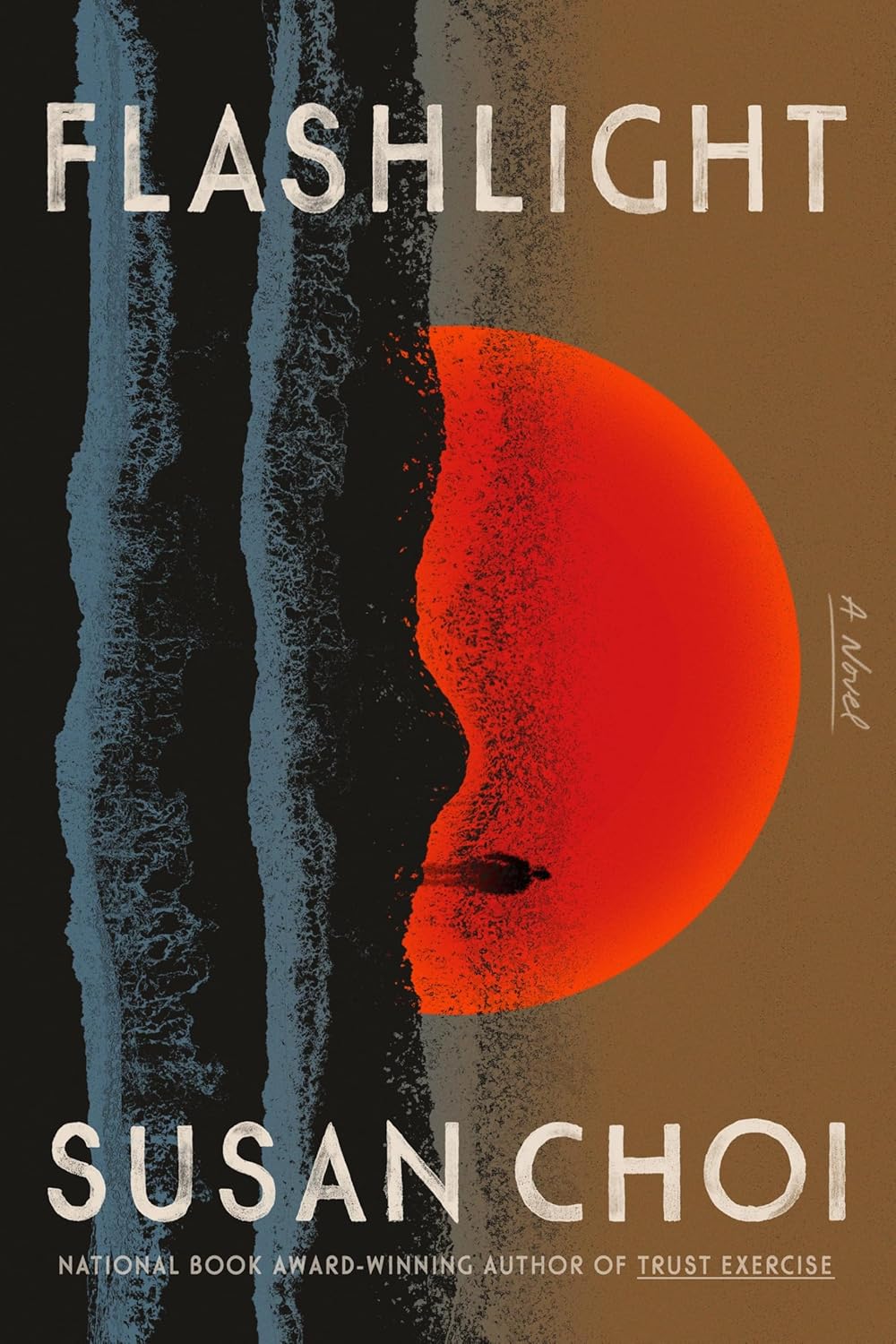
Ethnically Korean but born and raised in Japan and living in the United States with his white American wife Anne, Serk is a man out of place. Likewise, his daughter Louisa struggles to find herself, especially after a family tragedy.
There are individual scenes in Flashlight, vignettes from this family’s life, that are so, so good. The strawberry picking trip. Louise’s bus ride from Paris to London. Serk’s later chapter. The imagery is vivid and the emotion is palpable. But while I appreciate the vast scope of Choi’s ambition and her refusal to be beholden to conventional chronology, this novel doesn’t feel like it quite equals the sum of its parts.
For a novel that is so character-driven, I often felt like I was observing from a distance, and not just from a distance but through a window that is slightly frosted over, like I wouldn’t have been able to see the whole picture even if I were closer. We spend a lot of time in moments that felt as though they dragged the plot to a halt, a detriment to a book that is already very long.
That said, there were other moments that, whether or not they moved the plot along, deeply moved me, and the setting and subject weren’t largely ones I had encountered before, although the themes were familiar. So while this wasn’t my favorite read (or my favorite of the 2026 Women’s Prize shortlist), I am still gratified to have picked it up.
4. The Correspondent by Virginia Evans
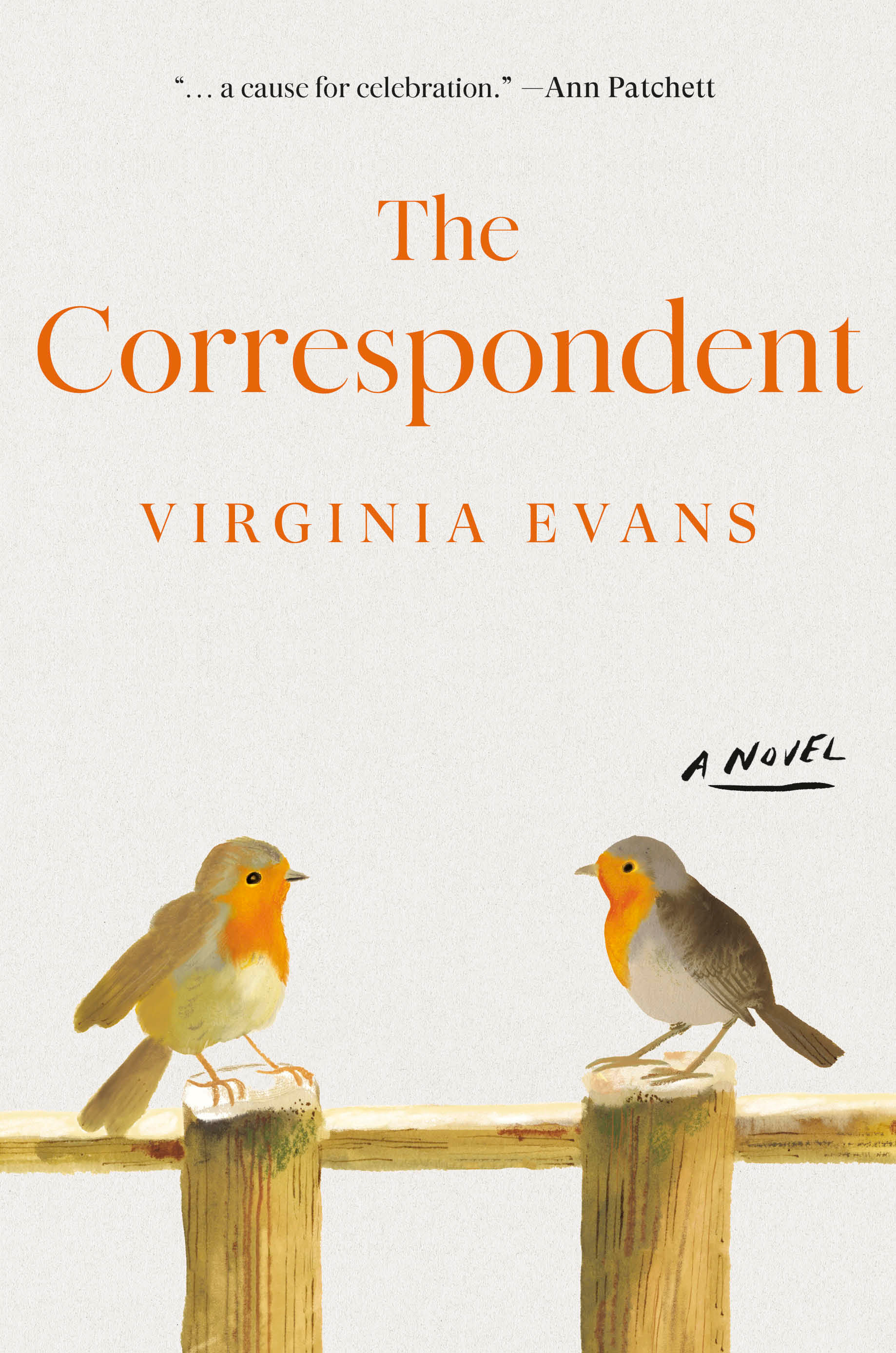
I read this in one sitting. Based on the rave reviews of pretty much *everyone* I know, I was expecting to love this and I absolutely did. An epistolary novel that follows the correspondence between 80-something Sybil and her friends, lovers, and acquaintances, I loved reading a book with an older woman protagonist and particularly one so charming.
It made me want to write letters. It made me want to connect with everyone I meet (one of my favorite correspondences was Sybil’s emails with Basam, her customer service agent-turned-friend; it was a really lovely reminder that everyone you interact with, however briefly, has their own story to share). It made me want to send fan mail to my favorite authors.
The writing was simple and effective. Sibyl and the other characters were likable but with plenty of flaws on show to give them depth and keep this from being an overly breezy read. I will say I don’t think it’s going to be one of those novels that stays with me for years, but curling up with it made for a warm hug of a day.
3. The Mercy Step by Marcia Hutchinson
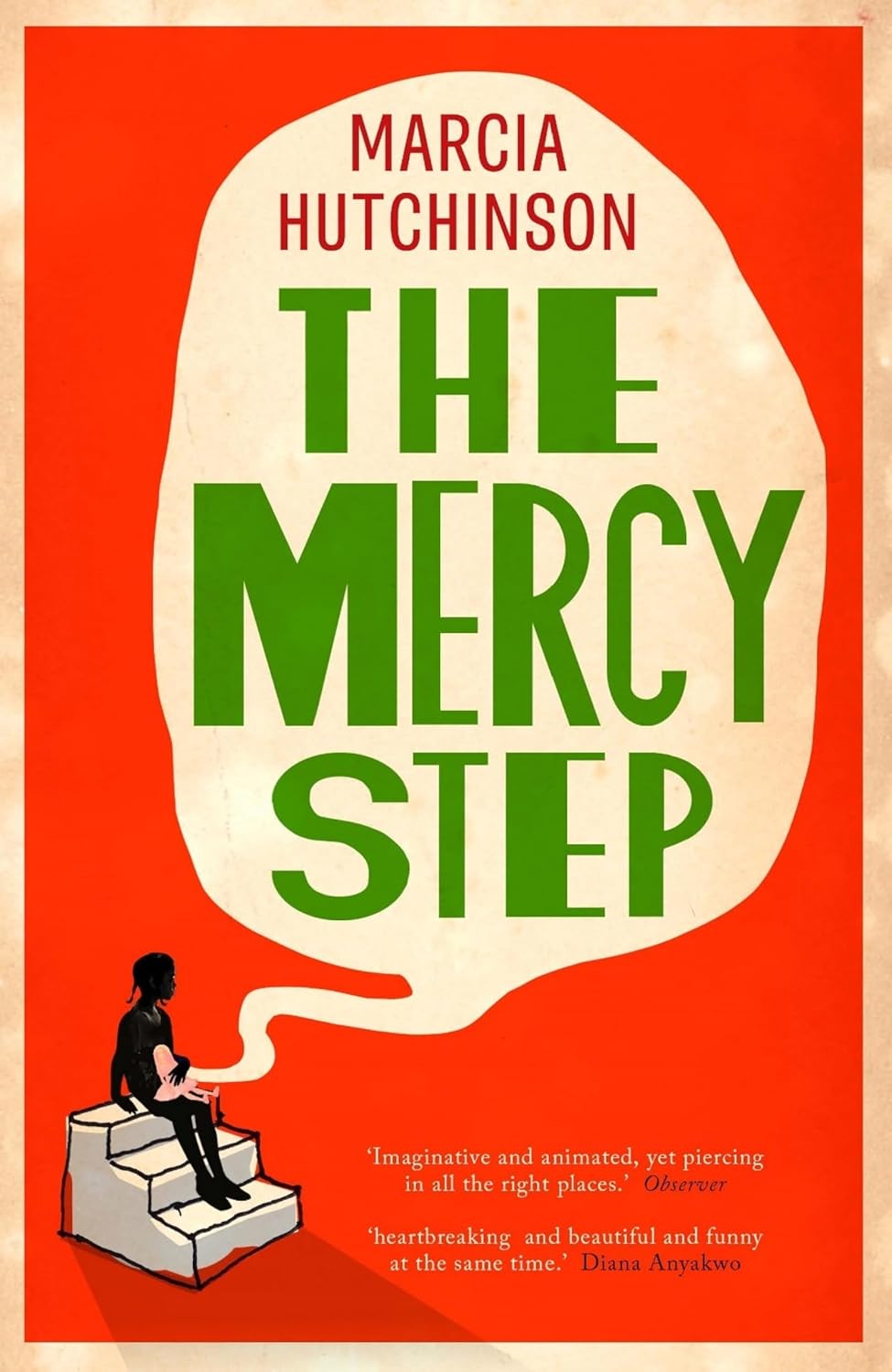
What a voice! I wouldn’t usually listen to the audiobook of a novel I haven’t read before, but in this case I’m glad I did because the author’s narration really brought another layer to this coming-of-age story. But when I say “what a voice,” I don’t just mean Hutchinson’s lovely tones; I mean the narrative voice, which is so strong and so rich.
Set in 1960s Bradford, the story follows Mercy as she grows up with her Windrush-generation parents and her many siblings. The novel opens with Mercy’s birth and takes us through her childhood and pre-teens. It’s not an easy childhood — her family is not well off and her father is violent, and she experiences racism and sexual abuse in these years of her young life — and while she finds solace in her love for her mother (even as she comes to realize that the woman will not protect her the way she should) and her discovery of the local library, her determined spirit is her main savior.
Mercy’s incredible resilience is the heart of this story, and her coming of age story is also a coming of self. Her voice is wise beyond her years, but at the same time while Hutchinson writes her as precocious, it still feels believable (apart from the obviously deliberate moments of a sort of magical realism such as when she is narrating her own birth scene).
For a book filled with such heavy moments, it somehow still feels so warm, and that’s all down to the strength of Mercy’s character, both on the page and in the quality of Hutchinson’s writing. A poignant and novel that’s full of heart, with an unforgettable narrator.
2. Heart the Lover by Lily King
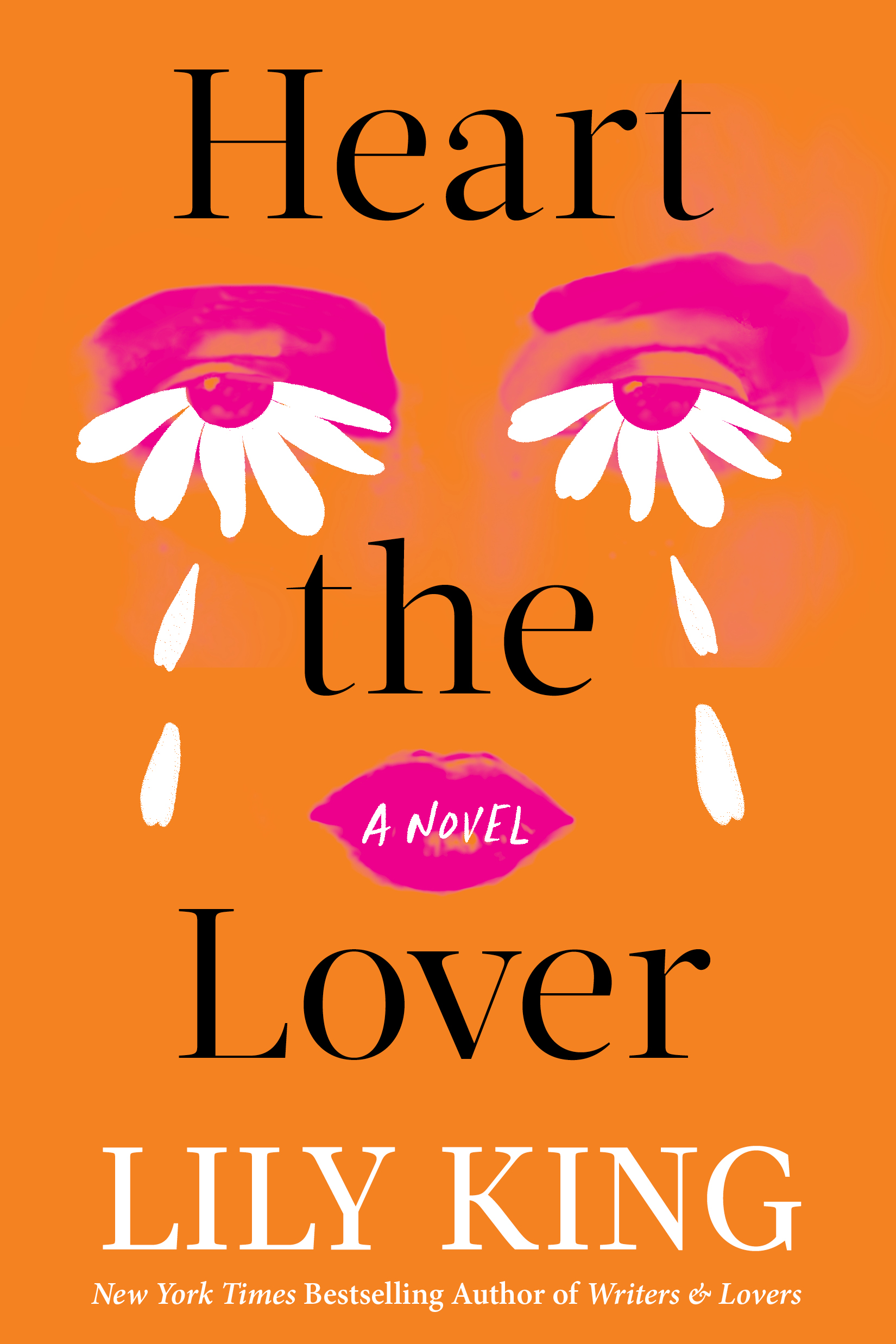
This was the one novel on the shortlist that I had already read prior to the shortlist announcement. This was due to the fact that so many of my friends had read and raved about it. They also warned me that it would make me cry, and for some reason I still decided to read it on the train! And then I did, indeed, cry in public.
The narrator, nicknamed Jordan by the two young men she meets in college with whom she has a love triangle of sorts (but the plot takes this far out of the realm of literary cliche) is a budding writer on a journey of self-discovery. Beginning as a campus novel but following its characters years into the future, this novel is as gorgeous as it is devastating.
From early college heartbreak to a series of life-changing events, good and bad, Heart the Lover asks: when we look back, what do we have to look back at except for love? A beautiful, poignant book about yearning and longing and loving in all sorts of ways.
1. Dominion by Addie E. Citchens
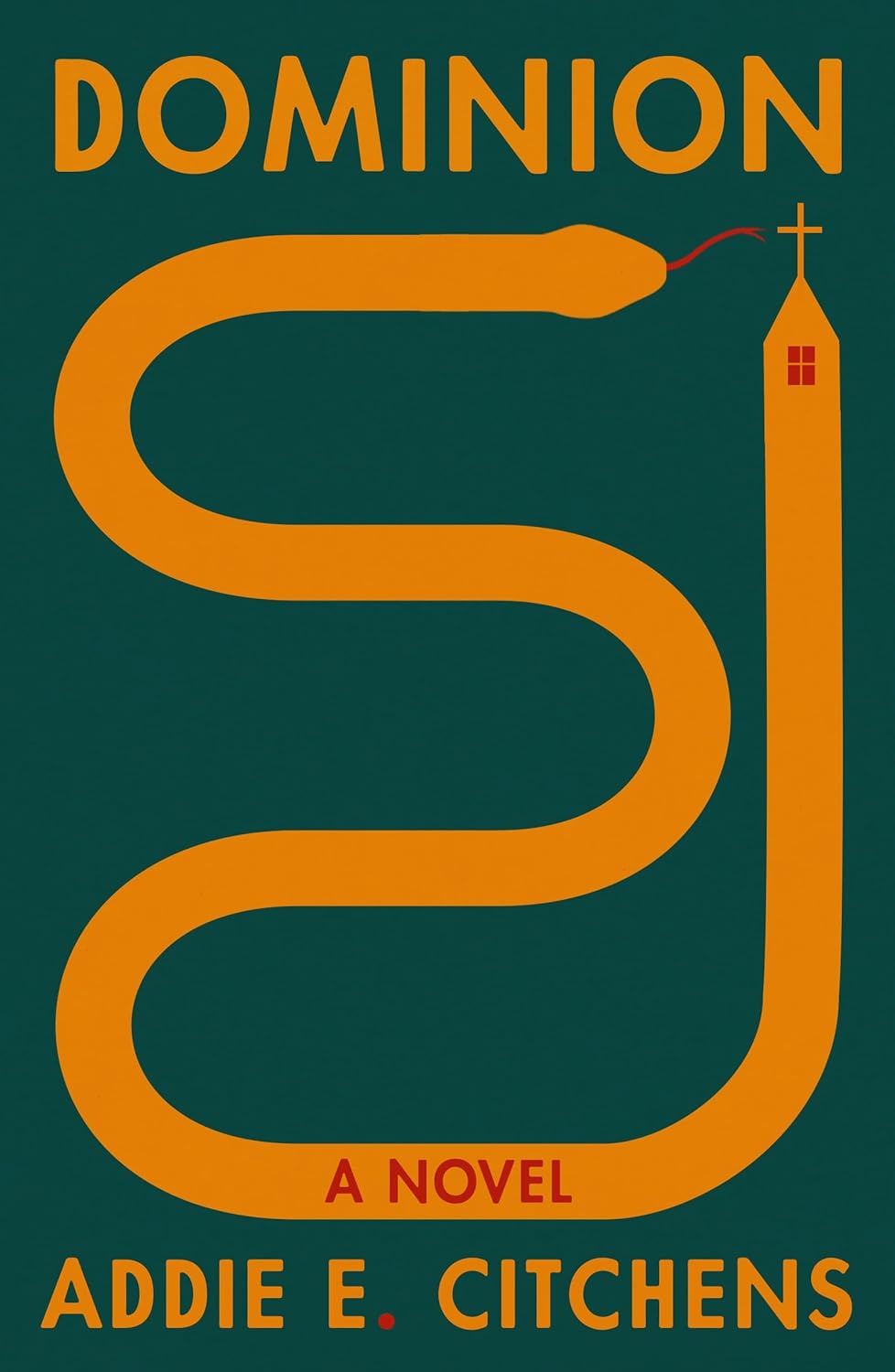
This book doesn’t so much pull the rug out from under you as it does dig a hole beneath your feet without you even realizing until you’re floating in midair like the coyote in a roadrunner cartoon, about to drop but not until a moment after you realize the situation you’ve gotten yourself in. What I mean is that Dominion starts out feeling simple — a portrait of a small town, an unhappy marriage, a teenage romance, a few mostly-open secrets.
But as the novel goes on, things get more twisty, more complex, weaving between multiple narrative voices and revealing more and more of the underbelly of the community and the people in it, and by the time you reach the end, you might find yourself wondering when exactly a story that felt so straightforward at the start reached such depths.
Dominon has a timeless feel, not just in its setting and its themes, but in its voice. There are a number of POVs in this story, but none dominate the way preacher’s wife Priscilla and orphaned teenager Diamond do. These two women are sometimes rivals, sometimes allies, often foils, both simmering in the boiling pot of patriarchy that is their religious southern community. These two voices, as well as Citchens’ authorial voice, are fantastically developed and compelling.
A really remarkable debut and the novel that would be my pick for the Women’s Prize 2026.

 thebestpossibletime