Watching the world at Between Two Worlds

Yesterday I went to the National Gallery of Victoria to see their current special exhibition, Escher X nendo | Between Two Worlds, before it closes next week. First off, if you live in Melbourne and you have the time between now and 7 April, please do try to give it a visit. The fantastic show creates a dialogue between the work of Dutch artist M.C. Escher, most known for his fantastical optical illusion creations, and Japanese design house nendo, who drew inspiration from Escher’s art to create a series of interactive displays and installations that guide you through the exhibition and into a dreamy, yet high-contrast world of black and white geometry.


I brought my camera intending to take a few photos of works in the exhibition, but instead I found myself captivated by other people’s photos. Everywhere I looked, folks had their phones out, cameras on, capturing their own photos of the lithographs, prints, and installations. I was fascinated to get this glimpse into everyone else’s experiences of the show. It’s so rare that we get to see through someone else’s eyes in real time, our windows into their perspective coloured after the fact by the pictures they choose to share, the filters they use.


As I walked through the exhibit, I spent as much time looking at the other visitors as I did looking at the works of art. I loved seeing which pieces they connected with, which ones they wanted to remember. I liked seeing the way they chose to document the art they saw: did they faithfully capture the full work or try to put their own artistic spin on their photo by cropping a detail or including a companion? Did they photograph the information card as well, or were they content to divorce the image from its title and history?

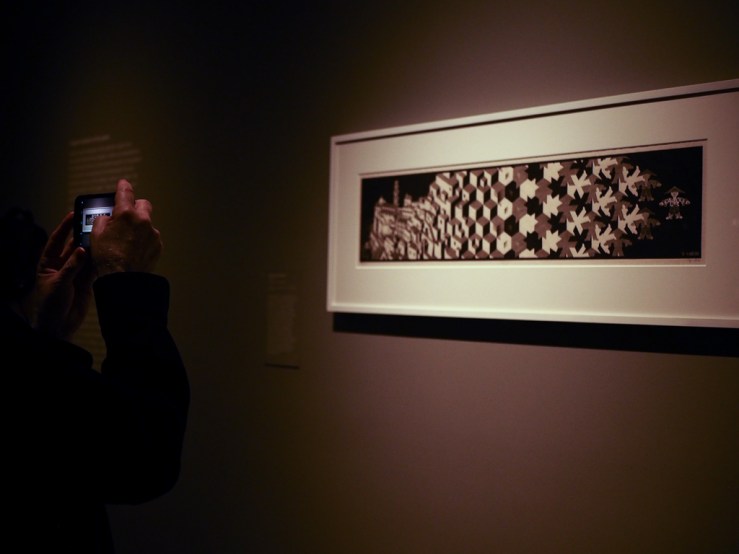
With apologies to the people through whose viewfinders I creepily photographed, seeing the exhibit through multiple points of view added a new layer to my understanding and enjoyment of the art. Escher’s work is all about reflections and twisted perspectives, and looking at the photos that others took brought that fascinatingly distorted outlook to my own experience of the exhibit. I definitely recommend seeing Escher x nendo | Between Two Worlds at the NGV if you can, but whether you go to this exhibit or any art show in the future, look around at the other visitors and see what they see for a moment or two.

On Top of Down Under

The Seven Summits comprise the highest peak on each of the continents—Mount Everest, obviously, Denali in Alaska, Mount Kilimanjaro, and so on. For many, ascending each of these seven mountains is a lifelong dream. However, not all seven peaks are created equal. Obviously, Everest is the hardest not only for its technical difficulty but also for the tens of thousands of dollars cost of its permit, while Kilimanjaro is a multi-day but non-technical hike that can be accomplished by hikers without mountaineering experience.

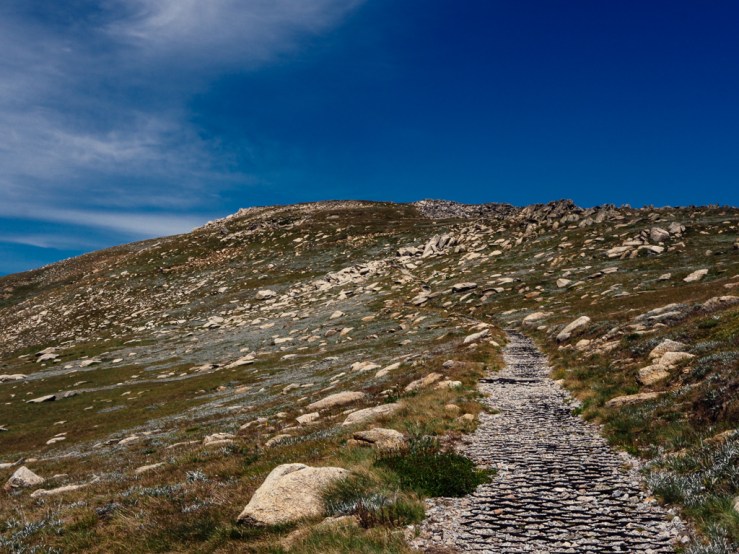
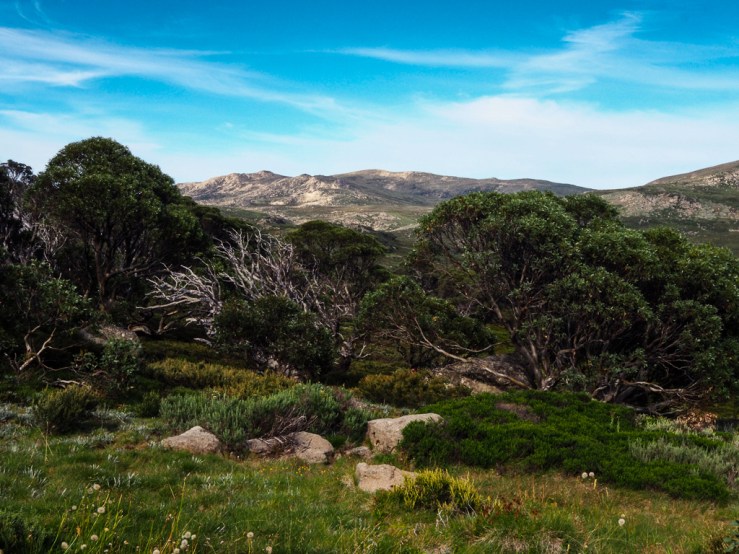
Looking at Kosci from the start of the Main Range Track

Then there’s Mount Kosciuszko. At 2,228 metres, it is only a quarter of the height of Everest, and can be summited in a single day—or less, if you take the route that includes a chairlift ride most of the way to the top. Some rankings of the Seven Summits don’t even include Kosci, replacing it with Puncak Jaya in Indonesia by considering Australasia the continent rather than Australia. But since I don’t have any desire to ascend all seven summits (I’d like to do Kilimanjaro in a few years, but I don’t see myself ever tackling the others), I’m happy to consider Kosci among the peaks.

Steve and me at the start of the hike

Last week, Steve and I rented a car and drove seven hours from Melbourne to Mount Kosciuszko National Park in New South Wales to hike to the highest point in Australia. We stayed overnight in Jindabyne, about half an hour away, and got up bright and early on Friday morning to head up the mountain. In order to make it more of a hike, we forewent the Threadbo trail with its chairlift and headed around the other side to Charlotte Pass for a 22km loop trail that connected the Summit Road and the Main Range Track.

The first thing that surprised me was how beautiful it was. I was expecting a dry, sparse range based on the endless stretches of red dirt and leafless trees we had passed on the Hume Highway on the way up, but the views were actually mountainous and lovely. The track was also wonderfully peaceful. On our way up, we only encountered one other group—a pack of older folks kitted out with tramping poles and wide-brimmed hats, who kept up a solid pace even on the steeper sections. There was no one blasting shitty EDM off their cell phones for all to hear, thank christ.

On the way to the summit

The top was a bit busier because the three trails—Summit, Main Range, and Chairlift—converged (I’d guess most folks came up on the chairlift based on the lack of daypacks or hiking boots) but it was still very quiet compared to some of the hikes I’ve done in New Zealand and elsewhere. A surveying trig and elevation sign mark the summit, where we took a break for lunch before following the mild downward grade of the Summit Road back to our car.

At the top!

The hike took us just over six hours in total, lunch included, and was only strenuous in its length, but it was still a fun way to spend a few days (on the trip, we also drove up to Canberra to visit the NASA Deep Space Communications Centre and the National Gallery and Museum), and it’s fun to be able to say we’ve climbed one of the Seven Summits, no matter how small.

Surveying trig marker at the summit 

A Great Ocean Roadtrip

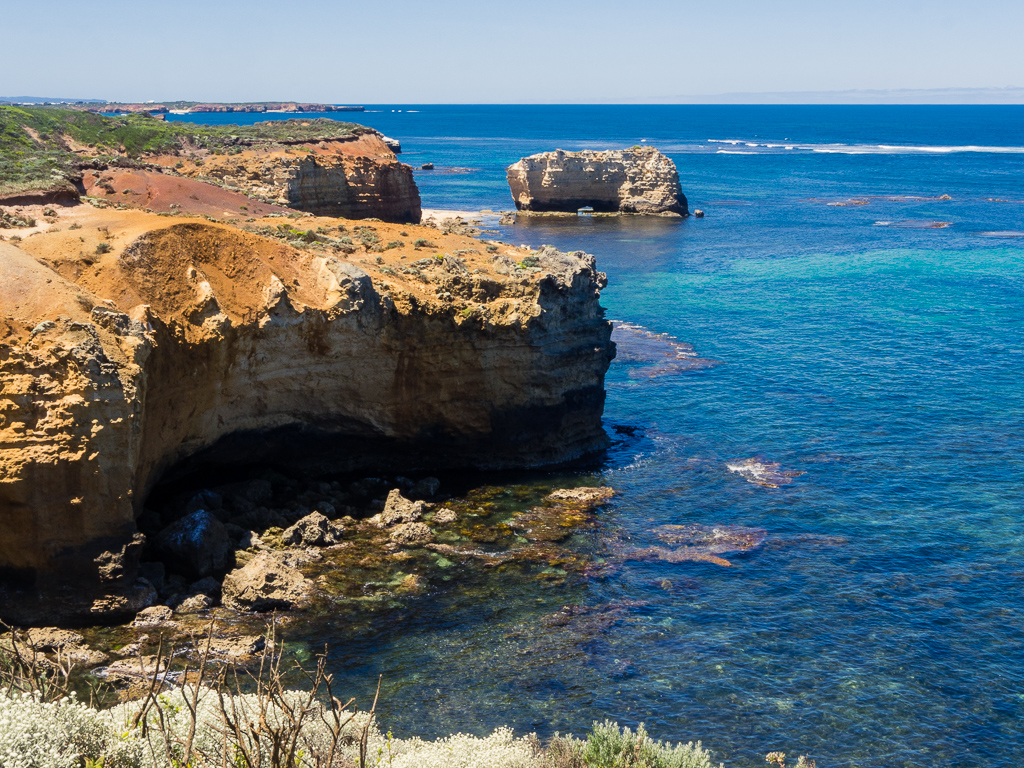
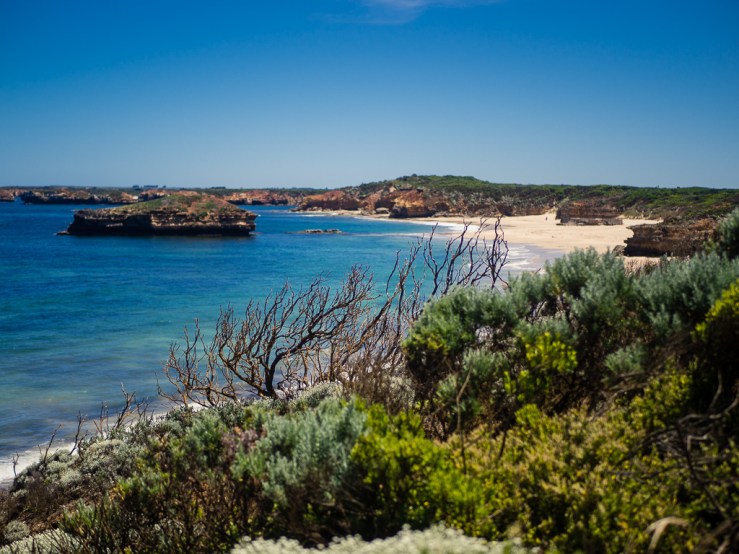
Since we arrived in Melbourne a month ago, most of our exploring has taken place around the city. Moving from Wellington, a city of 400,000 and just over 100km², to Melbourne, with its 5 million inhabitants and almost 10,000 square km, there is plenty to see and do within the city limits. However, we obviously much prefer to get out into nature, and so over the weekend we took a day trip out along the world-famous Great Ocean Road.

The Great Ocean Road is 243km long (plus an hour or so drive from Melbourne to its start) and features a number of beaches, towns, and other sights to see, so ideally you would do it over at least two days or as many as five or six. However, our spur-of-the-moment planning meant that we only had a day; we will definitely head back at some point to see more, but we still got to hit the highlights and I think the trip was worth it for sure.

Continue reading “A Great Ocean Roadtrip”

Books for the sun: summer reading list

I’ve been in Australia for a week, we’re five days into summer (here in Oz, like in NZ, the seasons are determined by the start of the month rather than the solstice), and I’m already not sure I can handle the heat. This was the thing I was most worried about moving to Australia, even if we’re in the relatively-more-temperate Melbourne rather than roasting Sydney or melting Brisbane. Tomorrow’s high is 34C/94F, and Friday it could hit a massive 38C/100F. And it’s only the first week of summer. Send ice.

When it’s that hot, many people love to go to the beach or lounge in the sun, but all I want to do is hide inside with a good book. At the start of winter I wrote about some of the long, dense reads I wanted to get through on the long, cold nights, but for summer heat there’s a reason light page-turners are the ideal. Here’s my to-read list for looking ahead to the days when it’s too hot to think:

Continue reading “Books for the sun: summer reading list”