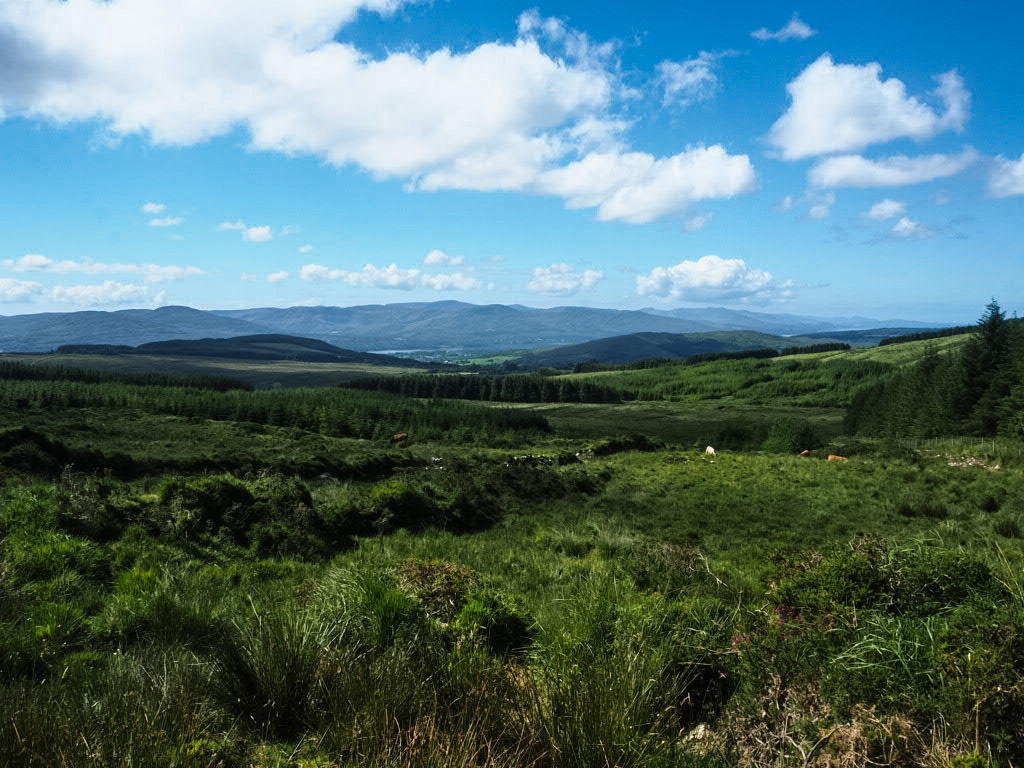
Earlier this week I wrote about three routes I’ve recently hiked in and around Killarney, but there’s a fourth I trekked this week, taking advantage of a weekend of gorgeous weather. Carrauntoohil is the highest mountain in Ireland, and although it’s not particularly impressive compared to the highest mountains in most countries (only 1038m/3047f, not even as tall as the last “top of a country” I’ve visited), it was still a fantastic adventure.
Moving to another country is never easy, and even more so during a pandemic. I’m still trying to get my residency card, set up a bank account, etc. etc. And job-hunting during a pandemic, in a small town known mostly for tourism? Nightmare. At least while I’m in the midst of getting all the logistics sorted out and sending an endless stream of CVs, I’m lucky enough to live in one of the most beautiful places ever. There’s a reason that Co. Kerry is known as The Kingdom. And the magnificent weather over the last week has offered ample opportunity to explore it with beautiful local hikes. I’m writing about them here in order of easiest to most difficult:
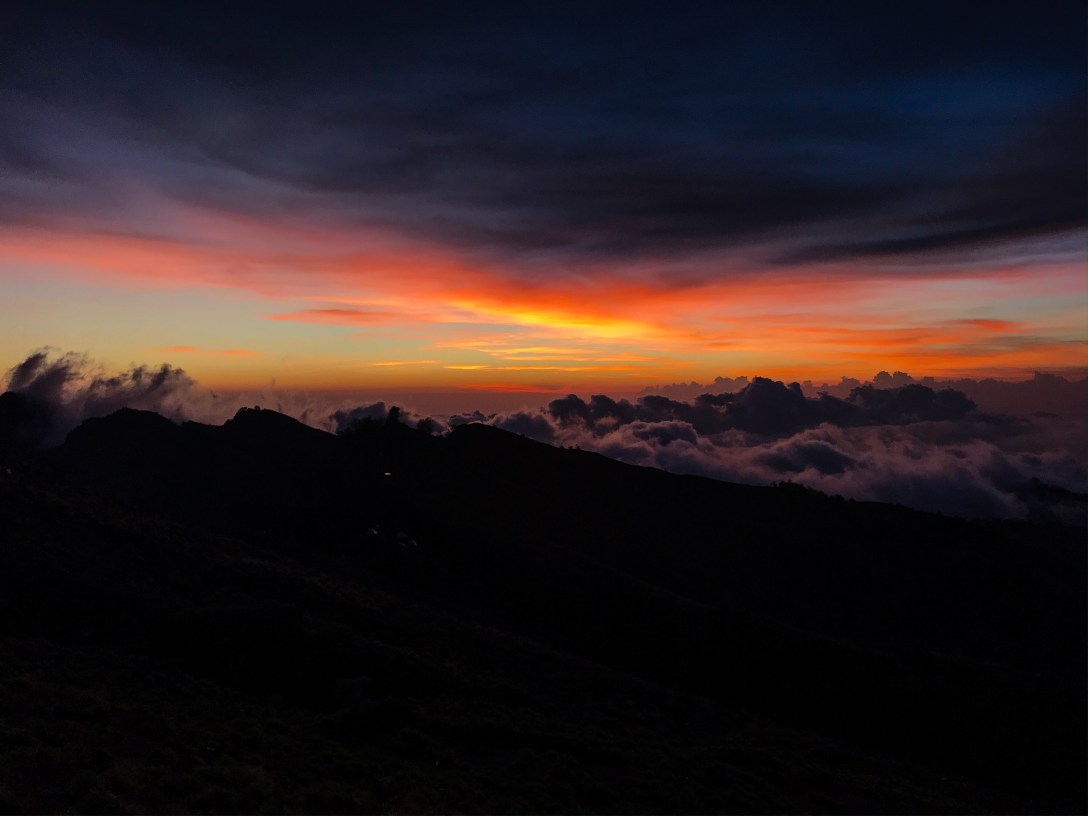
Most tourists who go to Indonesia head straight for Bali or the Gili Islands to relax, drink cocktails on the beach, and complain about bogan Australians (or be bogan Australians). That was definitely on our itinerary (apart from being bogans), but our first stop in Indonesia was to do one of the things I was looking forward to most on our backpacking trip, so when we touched down in Denpasar we got straight on another flight to the neighbouring island of Lombok to hike Mount Rinjani.
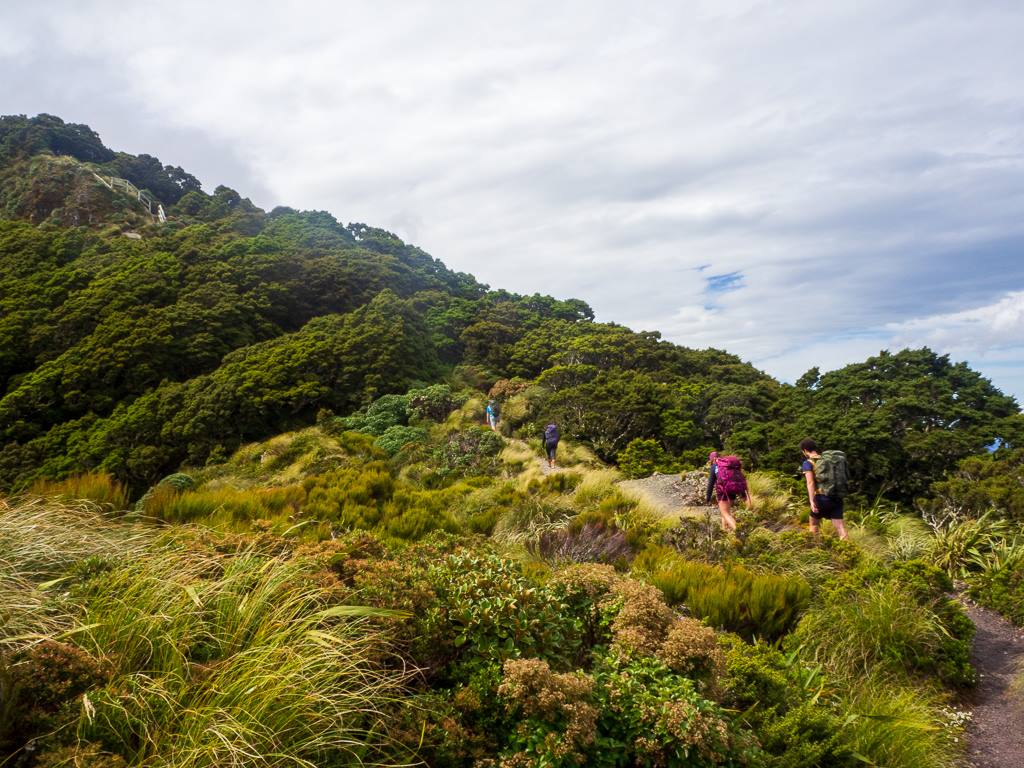
One of the things I love most about hiking is the solitude. For the most part, give me a peaceful trail with nobody else on it over a crowd any day. However, there is one big plus to doing a hike at the same time as a bunch of other people, and it’s that you’ll always find out about more hikes. When we hiked the Milford Track last year, a group of Australians in the huts at the same time as us offered heaps of recommendations when we said our next stop would be Melbourne. It’s because of them that we hiked Mount Kosciuszko, and it’s because of them that a hike I had never even heard of shot to the top of my hiking bucket list.
Hiking in Canada
The Overland Track is a 65-km, 6-7 day trek through the heart of the Tasmanian wilderness. While there are basic huts along the way, you have to carry everything from food to fuel to camping gear, meaning it’s a strenuous but rewarding undertaking. Steve and I have booked in to do it in early November just before we wrap up our time in Australia. Thanks to a Jetstar sale, we scored a great deal on our flights last week, and since then I’ve been both eagerly anticipating the hike just a few months away, and also thinking about other “dream hikes” I’d like to do in the future.
The Seven Summits comprise the highest peak on each of the continents—Mount Everest, obviously, Denali in Alaska, Mount Kilimanjaro, and so on. For many, ascending each of these seven mountains is a lifelong dream. However, not all seven peaks are created equal. Obviously, Everest is the hardest not only for its technical difficulty but also for the tens of thousands of dollars cost of its permit, while Kilimanjaro is a multi-day but non-technical hike that can be accomplished by hikers without mountaineering experience.
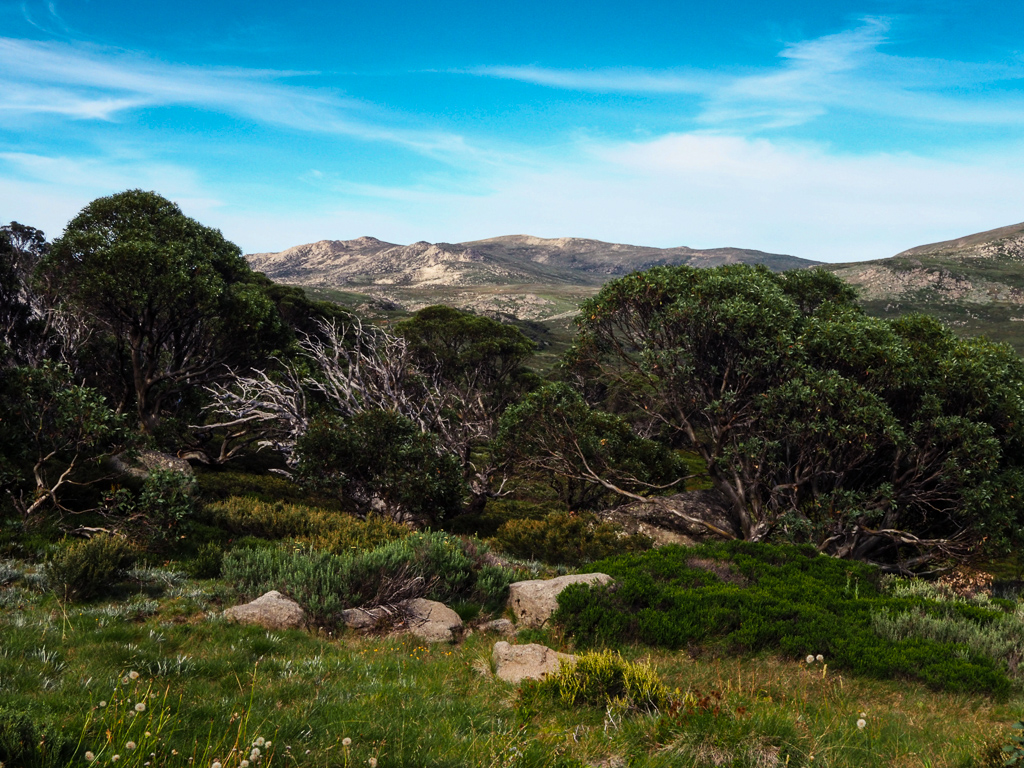
Looking at Kosci from the start of the Main Range Track
Then there’s Mount Kosciuszko. At 2,228 metres, it is only a quarter of the height of Everest, and can be summited in a single day—or less, if you take the route that includes a chairlift ride most of the way to the top. Some rankings of the Seven Summits don’t even include Kosci, replacing it with Puncak Jaya in Indonesia by considering Australasia the continent rather than Australia. But since I don’t have any desire to ascend all seven summits (I’d like to do Kilimanjaro in a few years, but I don’t see myself ever tackling the others), I’m happy to consider Kosci among the peaks.
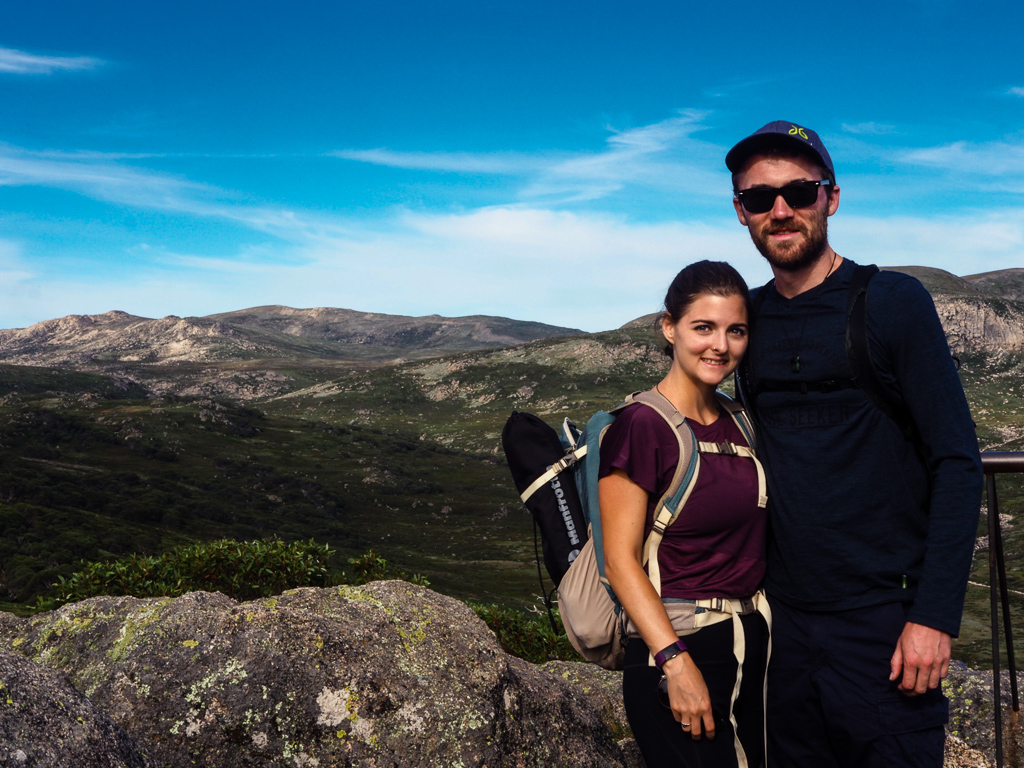
Steve and me at the start of the hike
Last week, Steve and I rented a car and drove seven hours from Melbourne to Mount Kosciuszko National Park in New South Wales to hike to the highest point in Australia. We stayed overnight in Jindabyne, about half an hour away, and got up bright and early on Friday morning to head up the mountain. In order to make it more of a hike, we forewent the Threadbo trail with its chairlift and headed around the other side to Charlotte Pass for a 22km loop trail that connected the Summit Road and the Main Range Track.
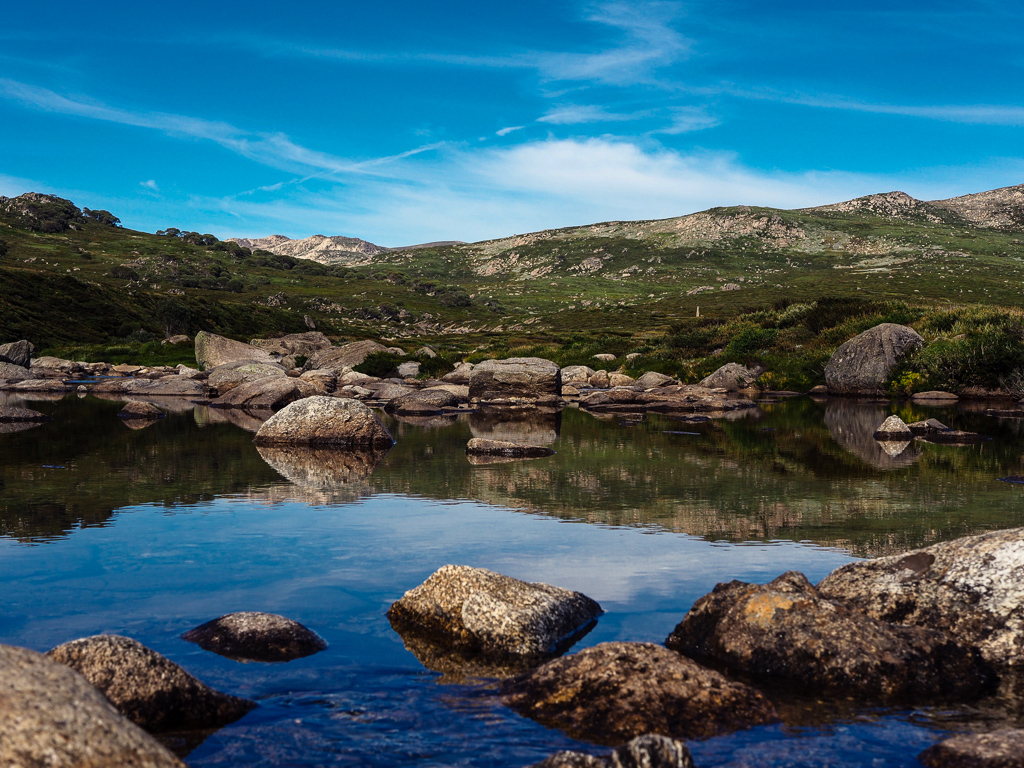
The first thing that surprised me was how beautiful it was. I was expecting a dry, sparse range based on the endless stretches of red dirt and leafless trees we had passed on the Hume Highway on the way up, but the views were actually mountainous and lovely. The track was also wonderfully peaceful. On our way up, we only encountered one other group—a pack of older folks kitted out with tramping poles and wide-brimmed hats, who kept up a solid pace even on the steeper sections. There was no one blasting shitty EDM off their cell phones for all to hear, thank christ.
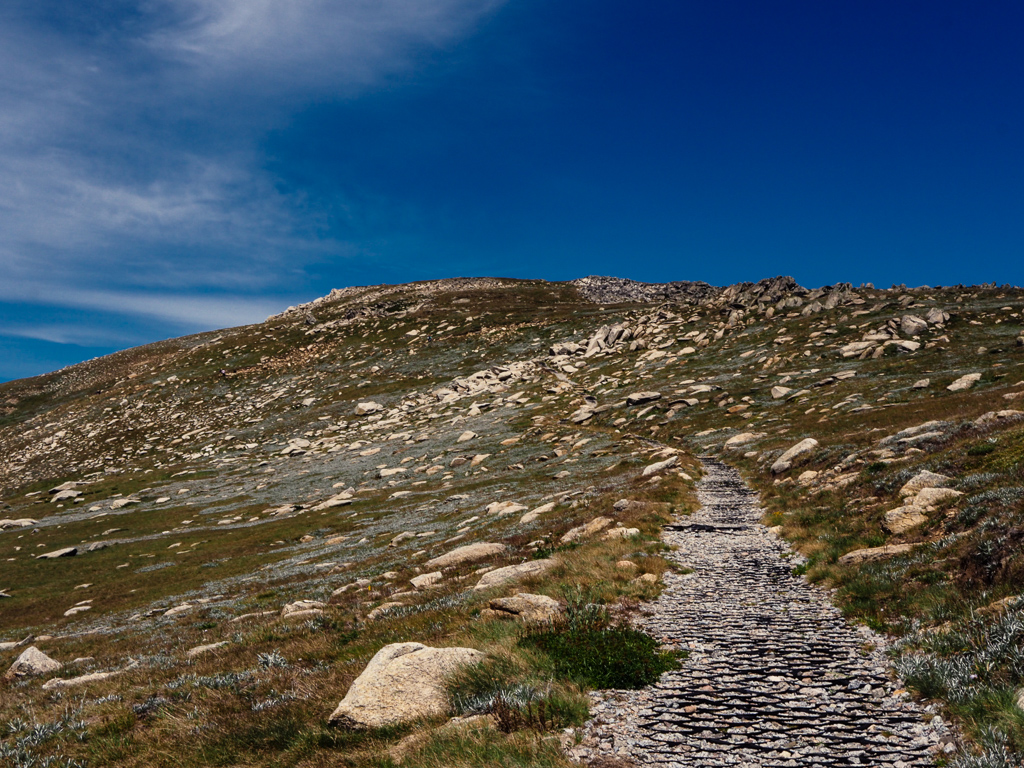
On the way to the summit
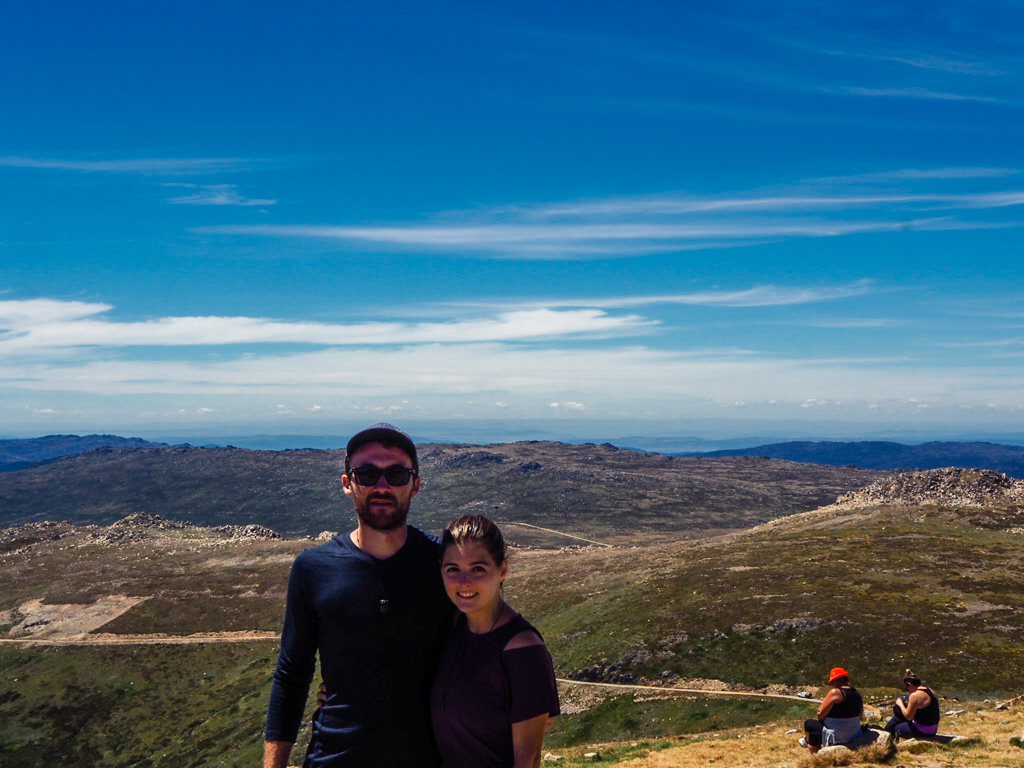
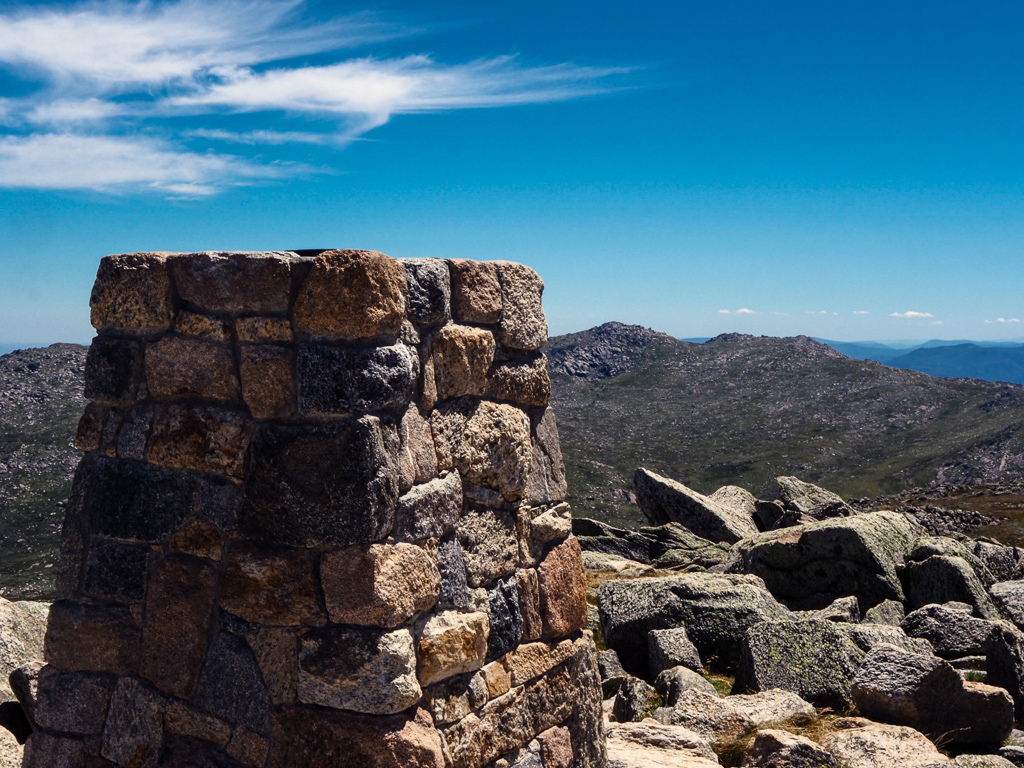
The top was a bit busier because the three trails—Summit, Main Range, and Chairlift—converged (I’d guess most folks came up on the chairlift based on the lack of daypacks or hiking boots) but it was still very quiet compared to some of the hikes I’ve done in New Zealand and elsewhere. A surveying trig and elevation sign mark the summit, where we took a break for lunch before following the mild downward grade of the Summit Road back to our car.
At the top!
The hike took us just over six hours in total, lunch included, and was only strenuous in its length, but it was still a fun way to spend a few days (on the trip, we also drove up to Canberra to visit the NASA Deep Space Communications Centre and the National Gallery and Museum), and it’s fun to be able to say we’ve climbed one of the Seven Summits, no matter how small.
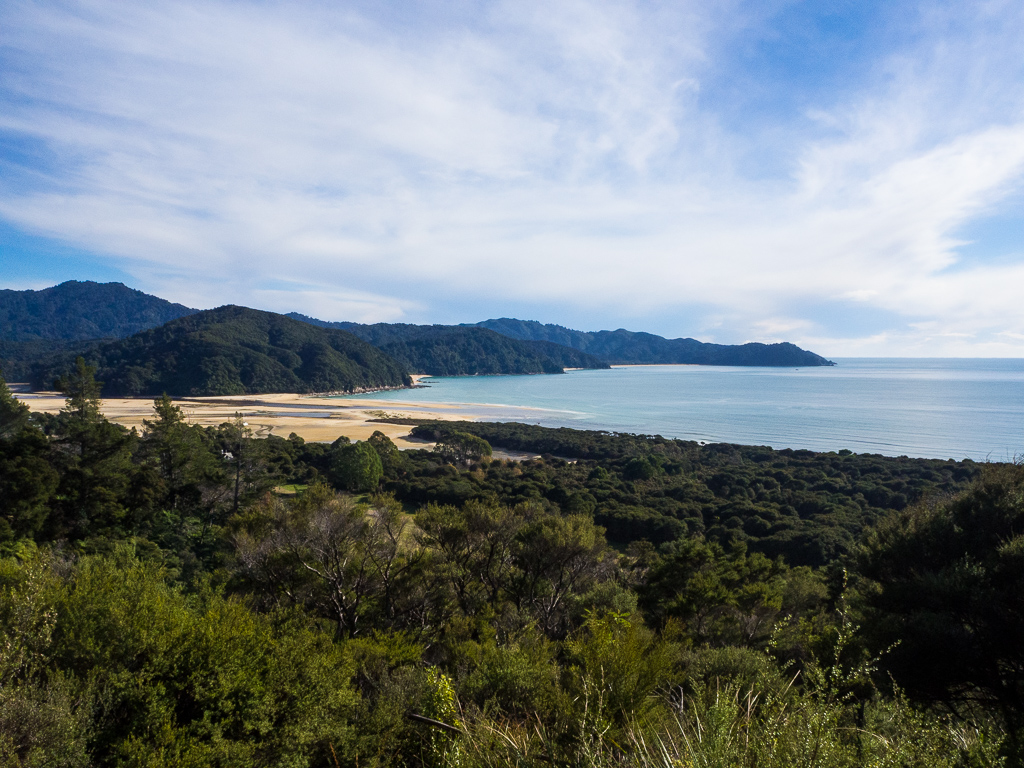
Abel Tasman National Park is one of the busiest spots in New Zealand, with upwards of a quarter of a million visitors per year spending at least a day in the park in recent years. However, the vast majority of these visitors come in summer, to enjoy the beautiful golden sand beaches and warm water for kayaking and swimming. Last week, in late autumn, it was nearly empty, and it was a wonderfully peaceful way to experience one of New Zealand’s most stunning regions.
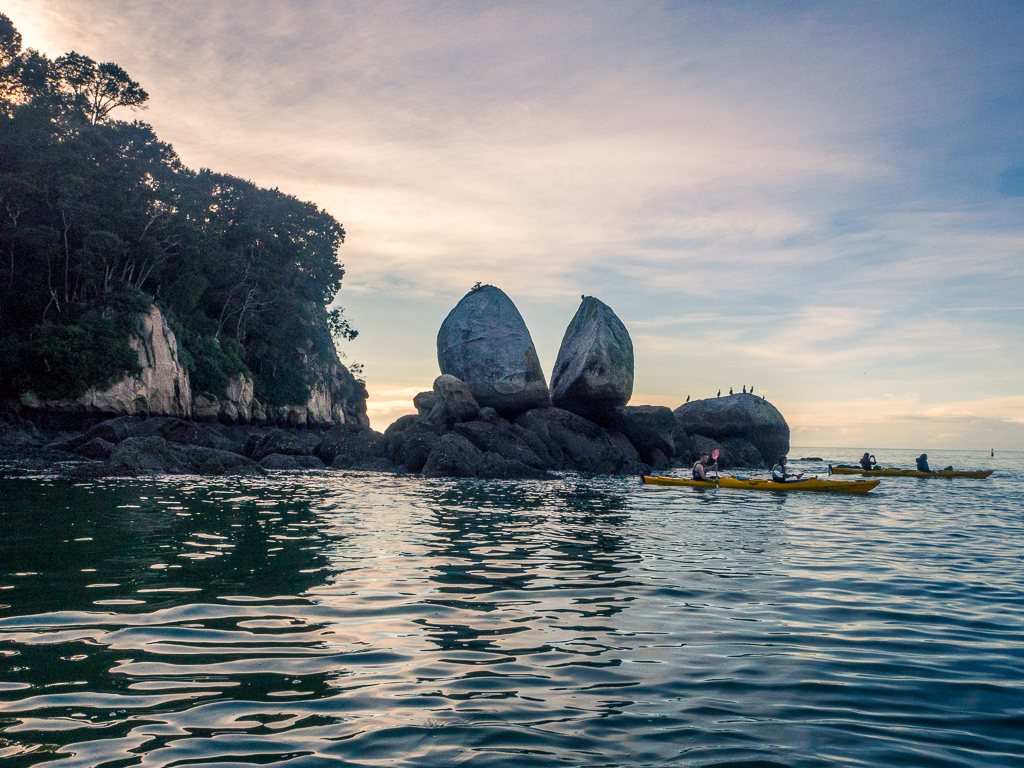
View of Split Apple rock from the water taxi
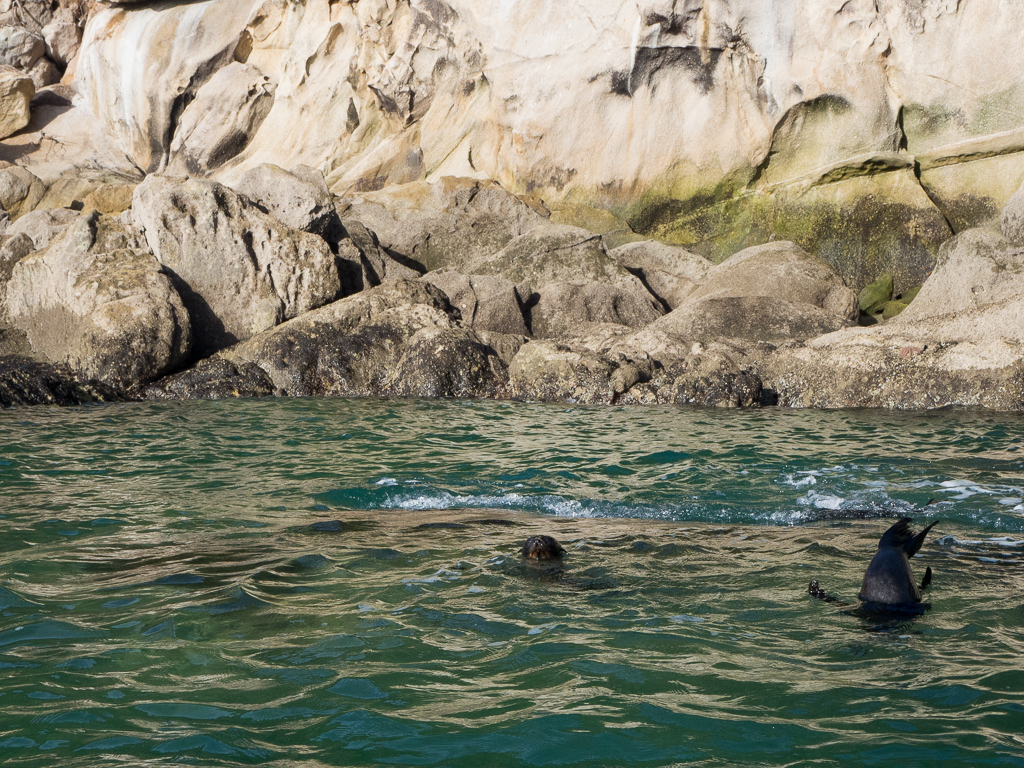
Our trip started with a water taxi from Marahau to Totaranui Bay. We decided to go from north to south because it offered more flexibility; we could take the morning boat and when we got back to Marahau three and a half days later, we’d be back at our rental car and ready to return to Nelson. The water taxi trip was great, taking us to the famous Split Apple rock as well as to see baby seals playing in rock pools near an island just offshore.
Baby seals getting curious about the boat
I already wrote plenty about our experience between Totaranui and Awaroa hut, but even though the rest of the trip wasn’t as dramatic, there was still so much to see and do. Abel Tasman is full of flora and fauna, beautiful vistas and lush forest, and to be there in such a quiet time (there were days when we didn’t see anyone from the time we left the first hut until the time we reached the next) was amazing.
Fantails’ white eyebrows make them look like angry old men
Our second day in the park took us 13.5km from Awaroa to Bark Bay. Unlike the previous afternoon, day two was warm and sunny. The trails in Abel Tasman are well-marked and don’t have much elevation climb, so the hike itself is not difficult and leaves plenty of time to enjoy the scenery. There are also a couple of fun bridges to cross over estuaries and streams.
The high-tide bridge across Torrent Bay estuary
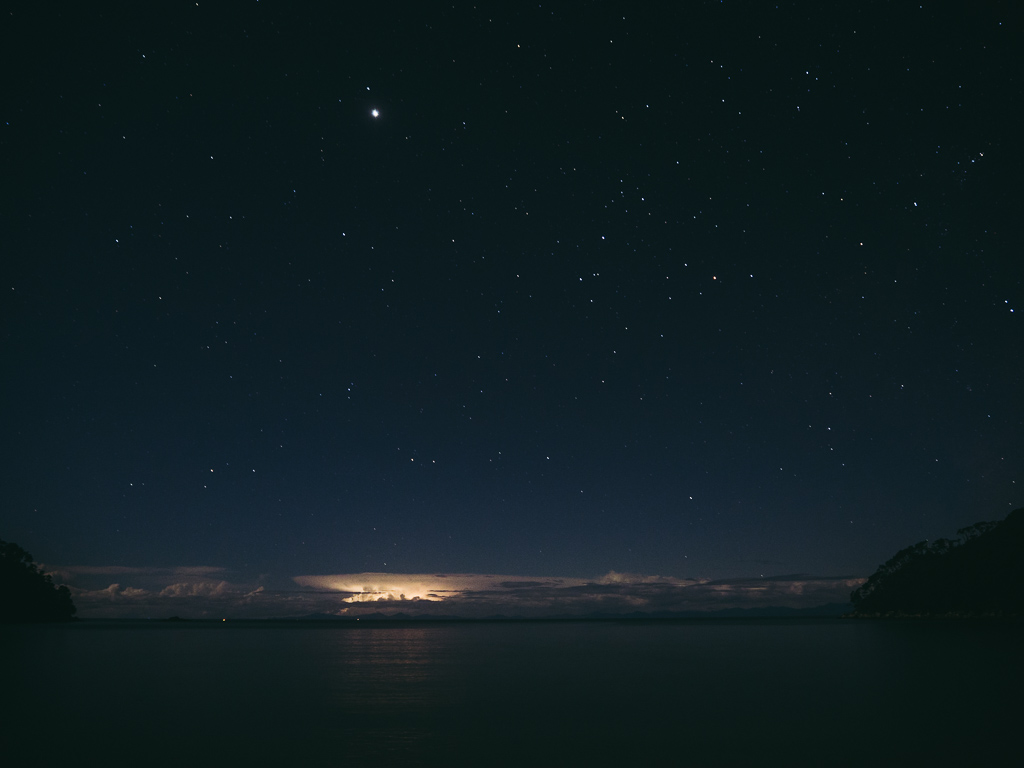
We arrived in Bark Bay to find a family had already arrived at the Bark Bay hut and started a fire in the stove, making the lovely space extra nice and cozy. After sunset, we walked out to the beach at Bark Bay to take some photos of the night sky using my camera and tripod. Across the Tasman Bay, in the distance, there was a thunderstorm and with a little luck and a lot of mistimed shots, I managed to capture it in one photo.
Lighting across the Tasman Bay
The start of our third day in the park was a bit grey and drizzly, but as the morning went on the weather cleared up and the sun hitting the last of the raindrops made for some beautiful rainbows.
A quick side trip to a lookout near Bark Bay
Day three featured a couple of side trips as we hiked from Bark Bay to Anchorage. We climbed up a steep and less-traversed trail to visit Cascade Falls, as well as taking a much more leisurely ten-minute detour to Cleopatra’s Pool (which must be an amazing place to take a cool dip in the summer).
Cleopatra’s pool
Anchorage Hut was the busiest and most well-outfitted of the locations we spent the night. Although none of the huts have cooking facilities, they do have flush toilets (although usually a short walk from the huts themselves) and Bark Bay and Anchorage both had a few solar-powered lights). This hut even had solar-powered mobile phone charging cables, which is something I never expected to see.
Torrent Bay, on the way to Anchorage
The final day, from Anchorage back to Marahau, was quick and easy, and we enjoyed burgers at The Fat Tui before heading off to Nelson for the night. A couple of weka, a kiwi-like bird that we had seen throughout the trip, tried very hard to steal our sandwiches.
Weka are so cheeky
Having previously done an overnight hike only once before, four days and three nights in Abel Tasman was definitely a new adventure. And so worth it. If you’re okay with chilly weather and love tranquil solitude, I definitely recommend exploring a national park in the offseason. Not only is it easier to do (we booked our huts a few weeks ahead of time, whereas in the summer they fill up months in advance; on other trips such as our road trip we were able to take advantage of first-come-first-serve campsites in parks like Yosemite that become highly in-demand book-ahead sites during peak season), but it’s a great way to enjoy the beauty and power of the site without crowds of other people. And if you choose to go to Abel Tasman, you’ll surely be in awe of the wonder of the world that you encounter.
One of the most beautiful places in the world for sure