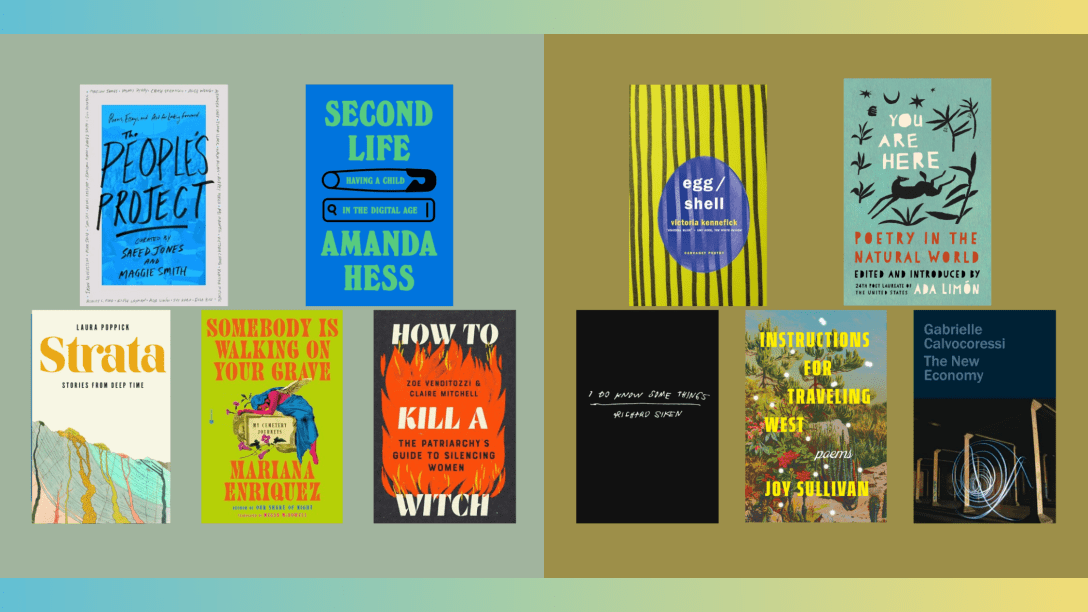
Following up on my post of my fave fiction of 2025, I also read some great nonfiction and poetry this year. Poetry in particular was a wonderful treasure trove this past year, with new work from old favourites and discoveries from poets I hadn’t encountered before but immediately came to love.
The leaves are falling, the pumpkin men are dancing and it’s currently the most socially acceptable season to read as much horror as you can get your hands on. Obviously, I’m a year-round horror kind of gal, but for those who save their scares for spooky season, I have some recommendations of horror novels, new and old, that will get you in to the Samhain spirit.
Just to keep it simple, I’ve stuck to books published in the last five years, and I’ve left out the obvious heavy hitters like Stephen King because I figure if you’re interested in the horror classics you can probably find them yourselves. But if you do want some recommendations by the masters and from the back catalogue, give me a shout.
What to read if… you’re new to horror
I was thrilled that my book club allowed me to suggest a horror novel recently, and The Hacienda by Isabel Cañas was a big hit. This lush, atmospheric novel is as much romance as it is horror, and the beautiful writing will draw you in even if you’re hesitant about the scares.
There are no jump scares in The Bog Wife by Kay Chronister, only a sense of melancholy and decay that is potentially as scary as any ghost or demon. For those who love folk tales, family drama, and climate anxiety (maybe “love” is the wrong word), this book is the one.
What to read if… you’re all about the vibes
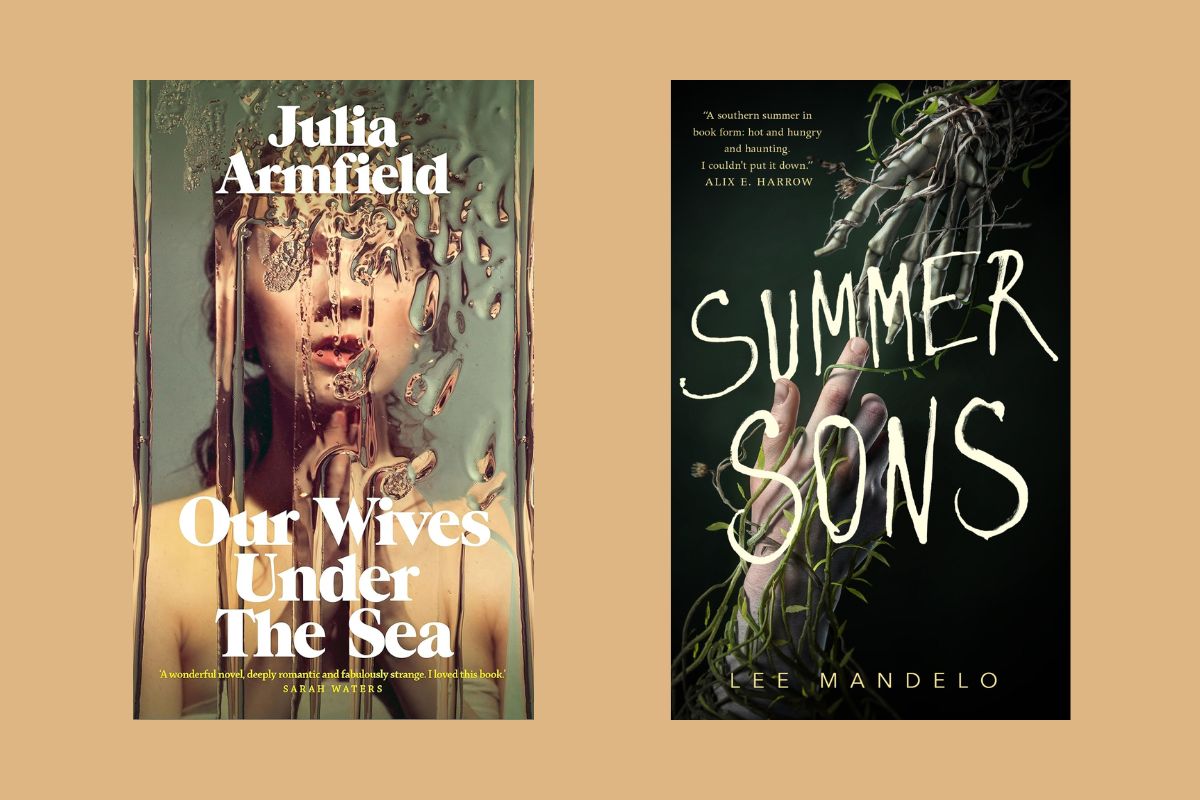
If you know me, I’ve probably already told you to read Our Wives Under the Sea by Julia Armfield. But in case I haven’t, please read Our Wives Under the Sea by Julia Armfield. Weird, watery, beautiful and devastating.
Lee Mandelo is a master of the modern southern gothic, and Summer Sons is my favorite of his books. It’s visceral and compelling, and the sweat practically drips off the page.
What to read if… you’re in your “good for her” era
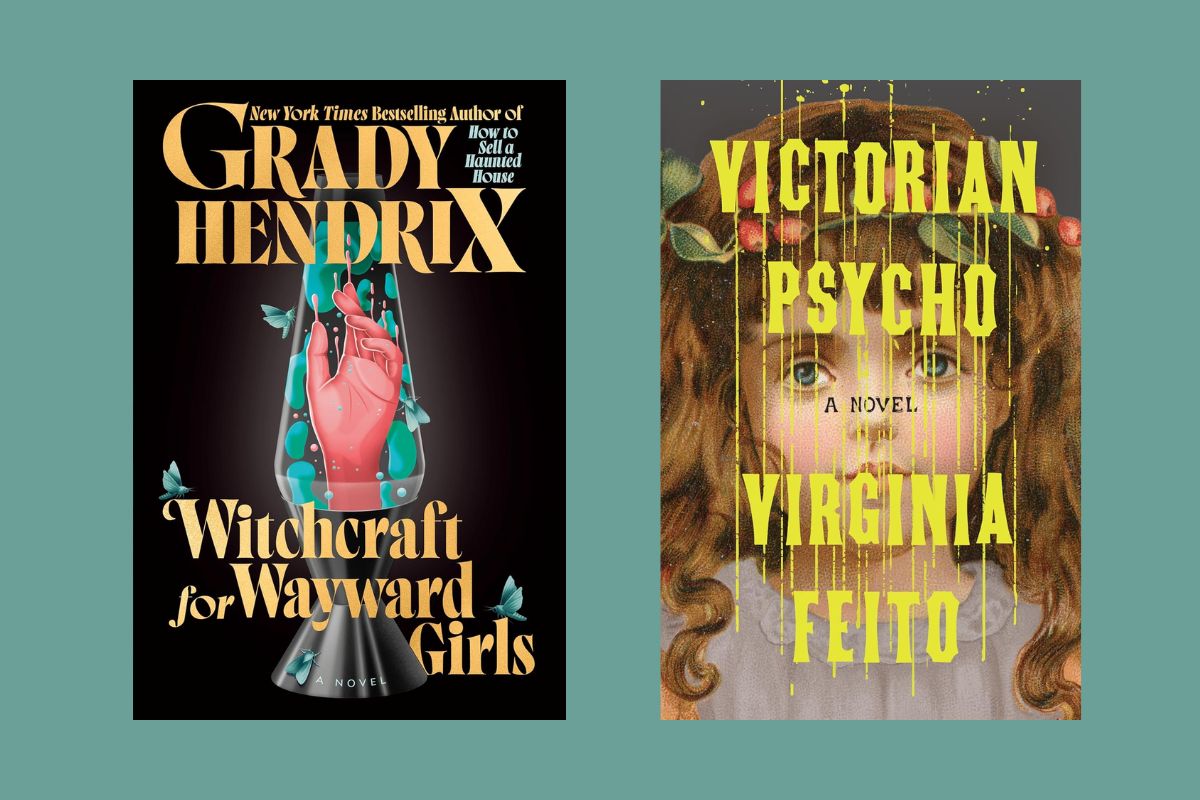
The pregnant teenage characters in Witchcraft for Wayward Girls by Grady Hendrix are due a win as they’re sent to a miserable mother and baby home in 1970s Florida to be hidden away until they give birth. And if that win is getting tangled up in some seriously shady witch business? So be it.
If you’d rather your heroines just to be deranged for no reason, then Victoria Feito’s cheerful murderess Winifred Notty is your girl. Victorian Psycho, indeed. This book is wild and gory and so much fun.
What to read if… you want a recent book that’ll be remembered as a classic
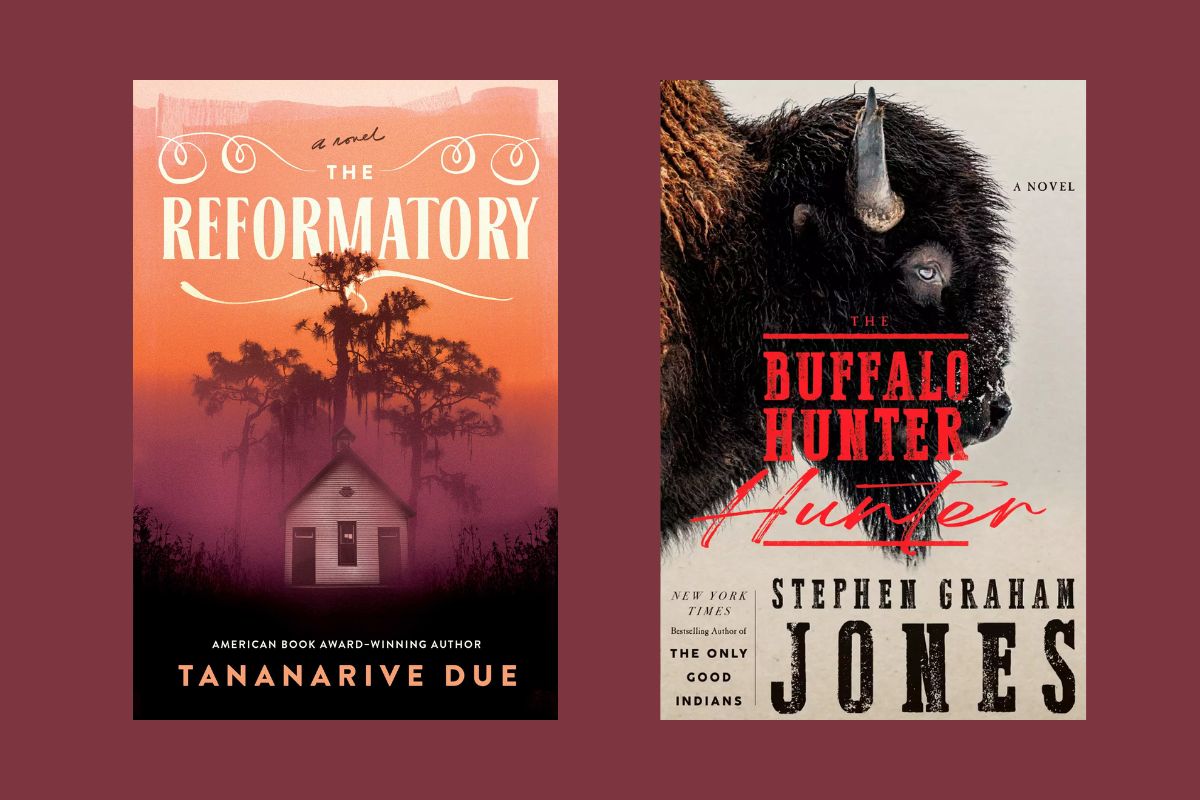
The Reformatory by Tananarive Due and The Buffalo Hunter Hunter by Stephen Graham Jones have a lot in common. They’re both deeply inspired by true historical evils (abusive reformatory schools in the Jim Crow era Deep South for the former, the Marias massacre of Blackfeet peoples in the latter), they both bring supernatural elements to these real-life horrors, and they’re both written by authors who I’m confident will be regarded as integral parts of the literary canon for the genre in years and decades to come. Two powerful, frightening, incredible books.
What to read if… you like your stories short and sweet scary
Spanning a variety of genres and drawing inspiration from folklore and myth, Never Have I Ever by Isabel Yap is a short story collection that will appeal to horror and non-horror fans alike. A strong debut and I hope we’ll see more from Yap soon.
One for the weird girls, She’s Always Hungry by Eliza Clark reminds us that there’s nothing better than a really fucked up short story. A must-read for “The Shadow Over Little Chitaly” alone, which is formatted as a series of meal delivery app reviews.
What to read if… forever sounds like a scarily long time
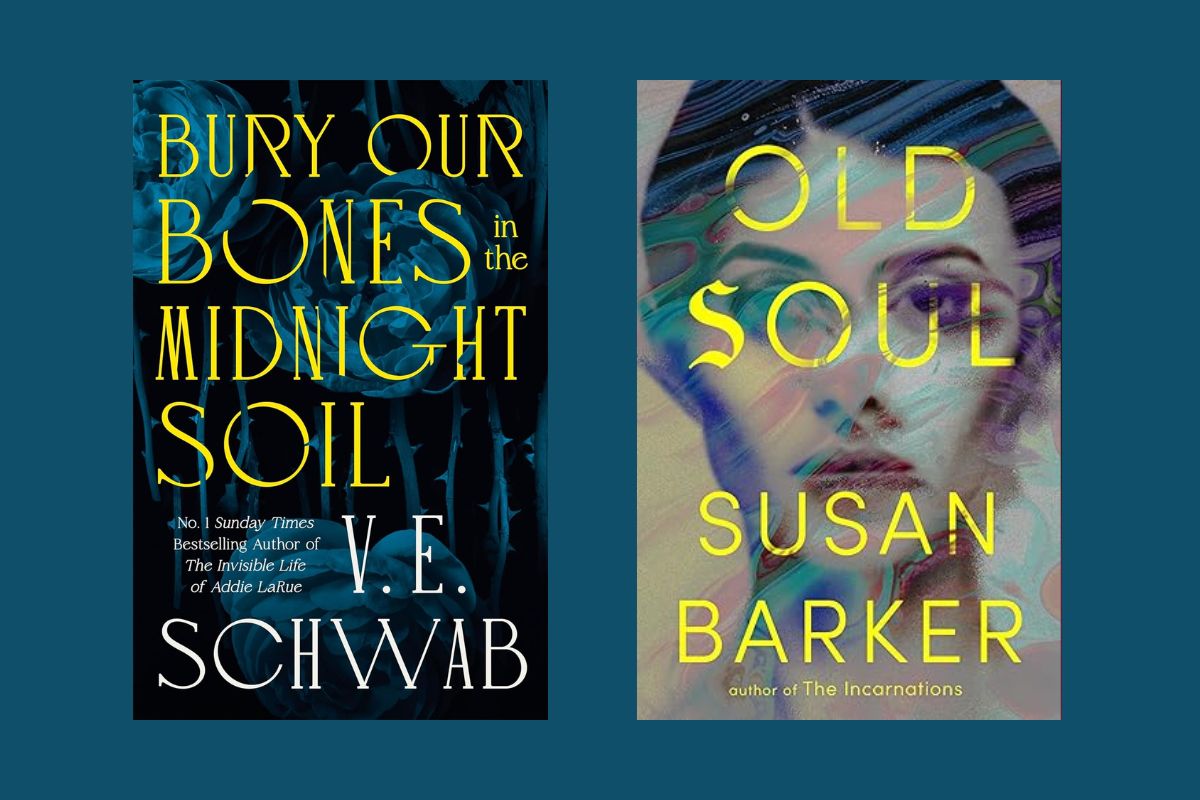
Nobody does immortality quite like a vampire, and Bury Our Bones in the Midnight Soil by V.E. Schwab follows three vampiric women across their long, long lives, from 1500s Spain to 1800s London to 2000s Boston. Schwab’s story has all the timeless elements while also bringing something new to the classic tropes.
There’s an old myth that someone taking your photo can steal your soul, and a similar horrifying concept serves as the conceit of Old Soul by Susan Barker. As much as I love horror, I rarely feel genuinely shaken when reading, but this book definitely did it.
What to read if… you think fact is scarier than fiction
I think that, maybe more than in any other genre, most people who love horror can pinpoint exactly when they became fans. Why Horror Has a Hold on Us by Anna Bogutskaya explores those moments, as well as why the horror genre gets so many of us in its grips.
For a more academic take on the topic, Jeremy Dauber’s American Scary: A History of Horror, from Salem to Stephen King and Beyond provides an exhaustive but fascinating look at similar themes, with a focus on the way horror has held up a mirror to American society and history.
Bonus: what I’m reading this October (and beyond)
2025 has been a ridiculously good year for horror, with new books from big names, fresh faces, and scary stories across every sub-genre. I already wrote about my favorite horror books published in January-June of this year, and since then I’ve read plenty more that I’ll share about later.
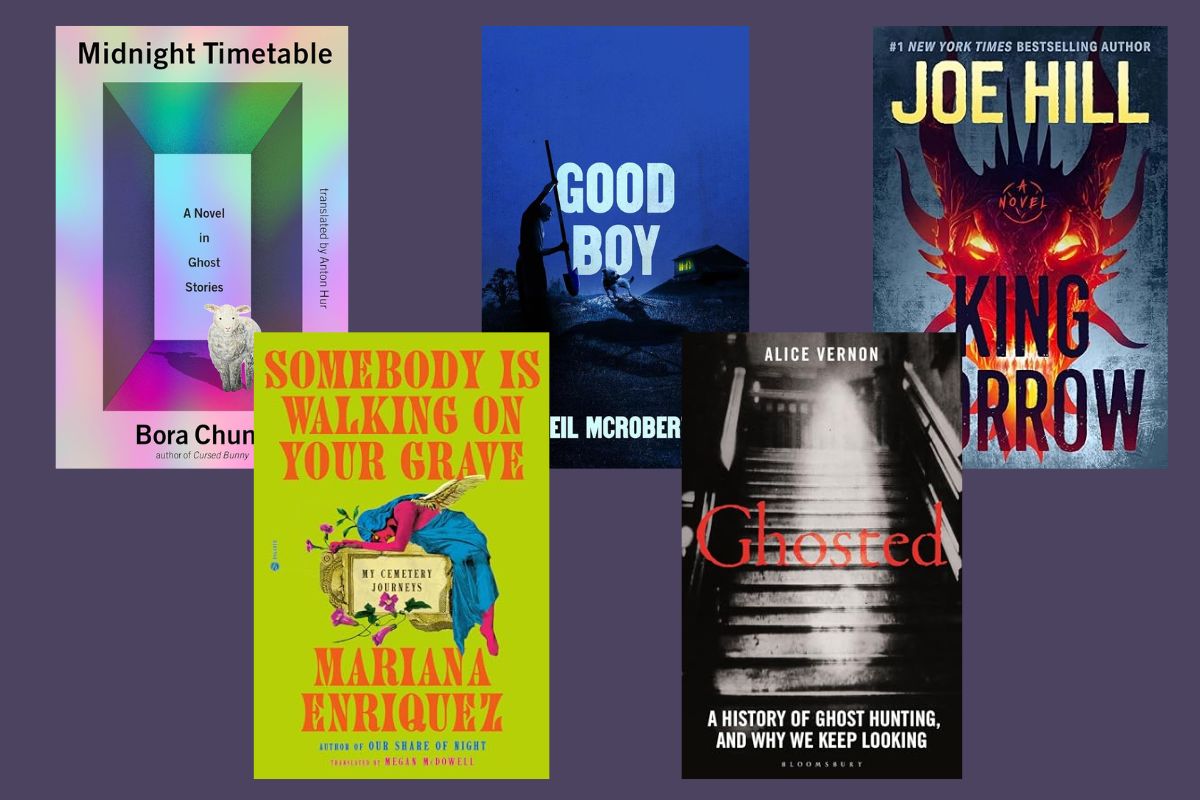
Naturally, late-September through October is peak publishing season for horror, and some of the new and upcoming releases I’ve got on the tbr this month are Midnight Timetable by Bora Chung, Good Boy by Neil McRobert and King Sorrow by Joe Hill.
I’ve also been eager to read The End of the World As We Know It, an anthology of short stories set in the world of Stephen King’s epic The Stand, but I realized it’s been at least 16 years since I read the novel so I want to revisit it first. Anyway, what’s October without some Stephen King?
On the nonfiction side I’m looking forward to reading Somebody is Walking on Your Grave by Mariana Enriquez and Ghosted by Alice Vernon.
2020 has been, I don’t need to tell anyone, a weird year. There have been days when moving from the bed to the couch has seemed a herculean feat, days when the effort of pouring a bowl of soup from a can has been similar to the work put in to make a five-course gourmet meal. There have also been days when things have gone swimmingly—exercise, cleaning, work, play, all sorts of productivity in a single 24-hour period, with minimal doomscrolling in between. It was in anticipatory hope of a strong of days like that which made me decide to sign up for NaNoWriMo once more.
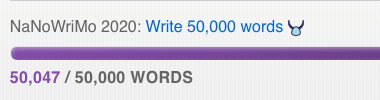
As if November 2020 didn’t have enough going on, you know, with the global pandemic and the election and all, I’ve decided to once again throw my hat into the ring and give NaNoWriMo a shot. I’ve successfully completed this “write a novel in a month” challenge twice before (well, “successfully completed” in that I’ve written 50,000 words between November 1 and 30th, not in that I’ve actually finished either story), and unsuccessfully attempted it twice.
I’m not sure why I think this year, when I’ve barely been able to write outside of sporadic blog posts on this site and for work, will be the one in which I manage to “win” again, but since we’re in Level 5 lockdown until at least December, what else do I have to do? Armed with an idea and the bones of an outline, I’m ready to take on the challenge once more. If you’re also hopping on the NaNoWriMo train, please feel free to add me as a buddy or find me on twitter for commiserations (although if you spot me on twitter too much, tell me to log off and write, please).
I’ve got this great app called Countdown Star on my phone that I love. You input an event and it how many days there are until the date (or from the date, if you’re counting up from the day of your birth or whatever past occasion you want to celebrate or remember). 19 days until Steve and I go to Japan. 59 until we go to Tasmania to hike the Overland Track, 11 days since we got engaged (oh yes, did I not mention? …more on that next week), 10,457 days since I was born, and so on. And today it is exactly 500 days until I turn 30. Because I’m me and I love a good list, of course that called for one. A short-term bucket list of sorts, 30 things I want to do between now and 500 days from now, when I leave my twenties and join the world of thirty, flirty, and thriving.
I won’t share the whole list as some things are quite personal, but here are some of the items I plan to check off:
I’m currently volunteering at the wonderful Melbourne Writers Festival, and one of the perks is a number of comp tickets that I can use to attend sessions outside of my volunteer shifts, and so on Saturday afternoon Erika and I met up at the State Library Victoria to see two panels. The first, When We Talk About Motherhood, was so incredibly, beautifully, terrifyingly powerful that I am still coalescing my thoughts about it, so instead I’ll talk about the second: Journalism: Heartbreak and Resolve.
Moderated by Crikey’s Bhakthi Puvanenthiran and featuring Erik Jensen from The Saturday Paper, Jack Latimore of NITV News and The Guardian, and freelance journalist Ginger Gorman, the discussion hinged on the mental hardships that journalists both encounter and face themselves, as well as the drive to keep going and the hopeful moments that uplift and empower them as well as their readers.
It was a fascinating look both at the industry today and the people in it, especially of the perspective of those who are working to expand and better it with their work and with their support of and amplification of marginalized voices (as writers and subjects), but it was especially interesting to me as I realised with a hint of amusement that it was exactly ten years ago last week that I began studying for my journalism degree at Ithaca College.
I was further amused when I thought about what these working journalists were saying the journalism world (a world I quickly decided at university that I wasn’t actually interested in being a part of) is like these days, and how far off most of my professors’s predictions had been about where the field was heading. This isn’t to say they got it all wrong, of course. They obviously knew that social media would play a large role in the future of the news (although just how large they couldn’t have predicted; one of the panelists mentioned how Instagram is becoming a popular platform for news media, a platform which didn’t even exist during my freshman year and wouldn’t introduce “Instagram Stories” until well after I graduated). And this isn’t to say they should’ve known better, not when new media has changed so rapidly and intensely over the last decade.
But one thing I distinctly remember about my journalism studies was a feeling of… if not pessimism, than resignation. That social media would make us short-attention-spanned and rapidly-reading, that we’d be cutting down our stories to snippets and soundbites. And sure, that’s happened, just like the ubiquity and accessibility of new media and social media has allowed for members of the worst factions of society to pretend their bigoted conspiracy theories are thoughtful, legitimate journalism but has also provided a space for marginalized voices of all sorts to share stories of and from their communities. And for every snapchat broadcast story and 140-character tweet, there’s a riveting 10,000 word longform article that would’ve never gone into print (at least without major cuts) in a traditional publication.
One thing that the journalists on the panel emphasized was that we as readers want to read. We want news. We want thoughtfulness and integrity and truth and rich, multicultural perspectives. Although I am not and probably never will be a journalist, I love journalism and many of my friends work in the media in some form, and I’m always pleased to have the reminder that what they do is appreciated. To look at the journalists on the panel, some saying that there were times that they wanted to quit but didn’t and others saying their worst moments only gave them more determination, to look at the people I know doing great work in new and old media, to look back a decade to when I was a bright-eyed wannabe newspaperwoman without a trace of anger or cynicism… it makes me excited to see what comes next.






 thebestpossibletime