The Joy of Small Progress

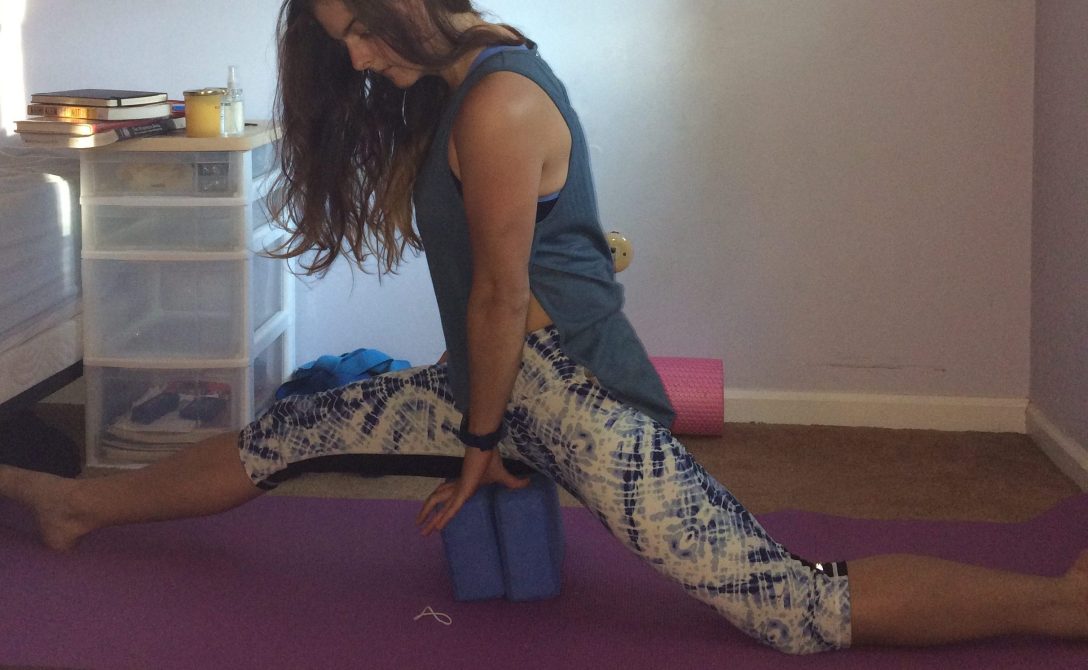
One of the most important things I’ve learned since starting a regular yoga practice about a year and a half ago is the power of small movements. It’s easy to get caught up in the thrill of or desire for the most intense and difficult postures—sinking a millimetre deeper in pigeon pose or your heels a nearly imperceptible amount closer to the floor in downward dog just don’t bring the same adrenaline rush that dropping back into wheel pose or managing your first headstand. Social media does not always help either. The “simple” poses just aren’t as sexy as inversions, backbends, and splits. But they’re equally important, and it’s equally important to notice and acknowledge our progress, however small, in whatever we do, and to recognise that there are different types of progress which are all worthwhile. 

Many people have discussed the negative effects of social media on yoga, and I definitely agree with many of those critiques. I am beyond tired of Instagram yogis preaching truthfulness and honesty then making undisclosed sponsorship posts an hour later. But I love social media’s other impacts on yoga—finding inspiration from more advanced practitioners, participating in “yoga challenges,” and learning tips from teachers around the world. Still, I think one thing that’s sometimes lost, not only on the internet but also in my and probably many folks’ personal practice is the way small progress can enrich your routine. There’s a reason, after all, that yoga is called a “practice.”  

IMG_5715
One of the first times I ever tried wheel pose, a difficult one for me due to a ganglion cyst on my wrist.

In every aspect of life, I am a big fan of setting small, achievable milestone goals on the way to a larger goal. Yoga-wise, one of my New Years resolutions for 2017 was to get my splits; I didn’t achieve that, not even close. I’m not disappointed, but I realise that what I should have done is set smaller goals to work on, from one to another. From X to Y degrees (with Y obviously not being near 180 yet), for example. Reaching these small goals would be a good way to motivate myself to stay on track.

Continue reading “The Joy of Small Progress”

Buying Happiness: The Internet and Self Care Materialism

I read an interesting article on Buzzfeed yesterday discussing the way youtubers and influencers use the idea of “self care” to sell sponsored content. The article discusses influencers who shill products that allegedly help them when they’re feeling low, as well as influencers who post sponsored (i.e. paid to mention certain brands) videos with a self-care focus. It’s a good article and it got me thinking about the way we use and, yes, commodify self care.

“Self care” is of course not a new concept, but it seems like there’s a definite uptick in talking about it as of late (especially, for obvious reasons, after the 2016 election). From blog posts to YouTube videos talking about “10 things I do for Daily Self-Care,” “My Favourite Beauty-Related Self-Care Products,” and so on. There’s also been a lot of discussion about the concept of self-care in positive and critical ways, ranging from an acceptance for the need for self-care being beneficial in fighting the stigma surrounding mental health to the inequality of “self-care” being limited to those who have the time and resources to achieve it. 

The materialism often underlying self-care talk that’s examined in the Buzzfeed article is something that’s come up before, and I think it’s an interesting discussion. Part of this comes from the fact that some youtubers and bloggers who frequently talk about their self-care routines also gain emotional credibility from their audience through their openness about their struggles with mental health. While their efforts to work against the stigma of mental illness is admirable, there’s also a definite backlash against people equating “self-care” with a treatment for mental illness. There’s this whole history of people saying, “Oh you’re depressed? Just do something that makes you happy” that doesn’t acknowledge that mental health treatment often requires medical treatment because it’s a medical condition, not just a bad feeling, so the ire is understandable. 

Continue reading “Buying Happiness: The Internet and Self Care Materialism”