

It’s been about a month and a half since Steve and I arrived in New Zealand on our 12-month working holiday visas and moved down to Wellington for the year. We’ve experienced a lot of cool things already—first time in Asia on our way over, first time in the Southern Hemisphere, first summer Christmas—and there are more to come—next week is my first summer birthday, and we’ll be spending it on our first overnight hike. This week our adventures are mostly stymied by rain and job-hunting, but I thought I’d take a break from firing off CVs and share a few of my thoughts on New Zealand so far.
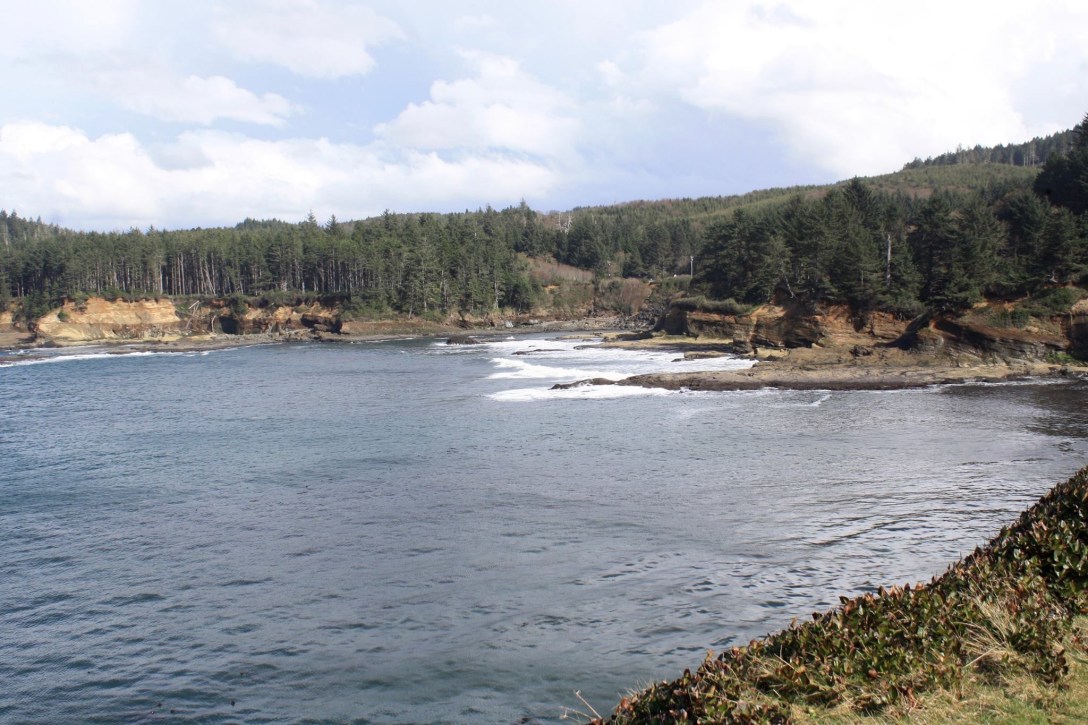
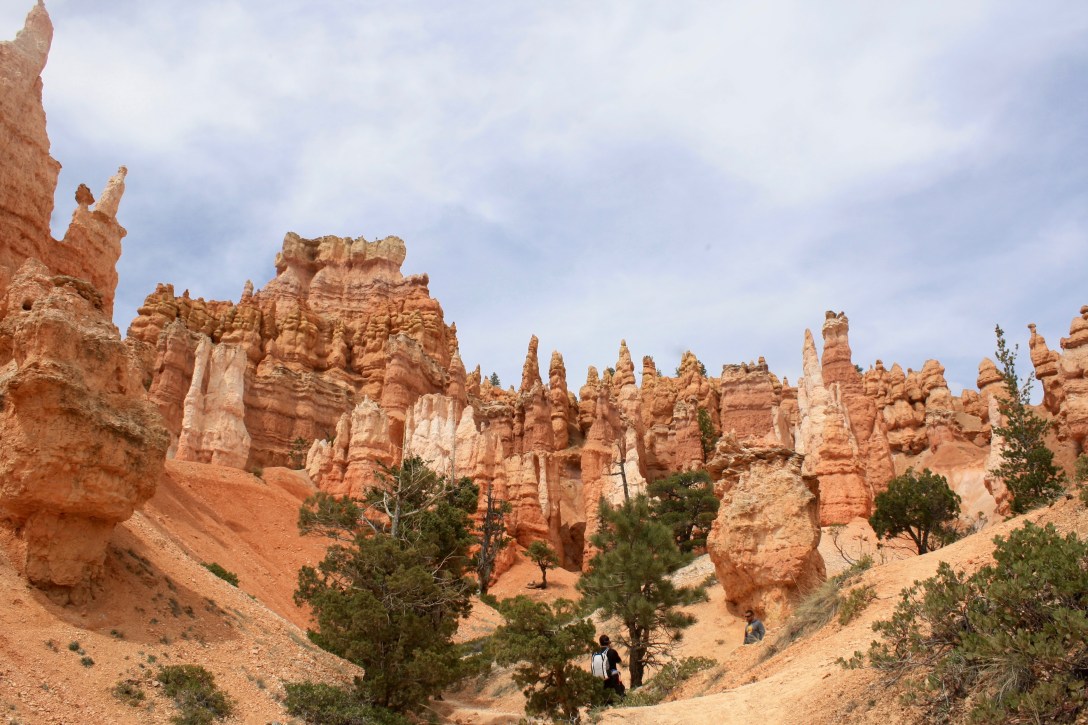
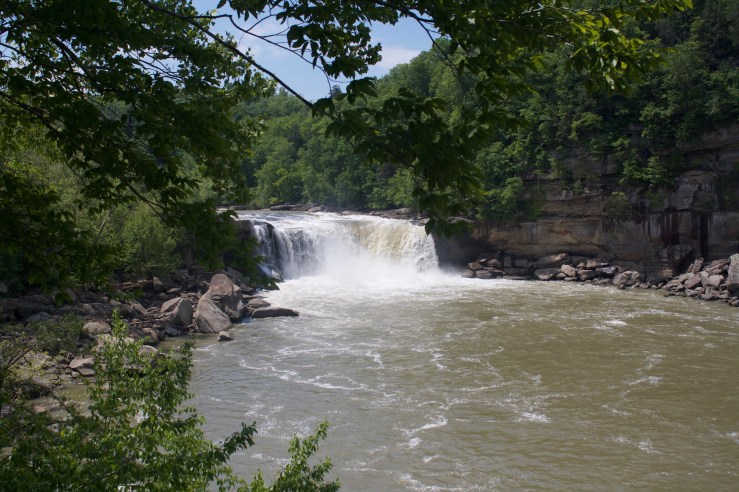
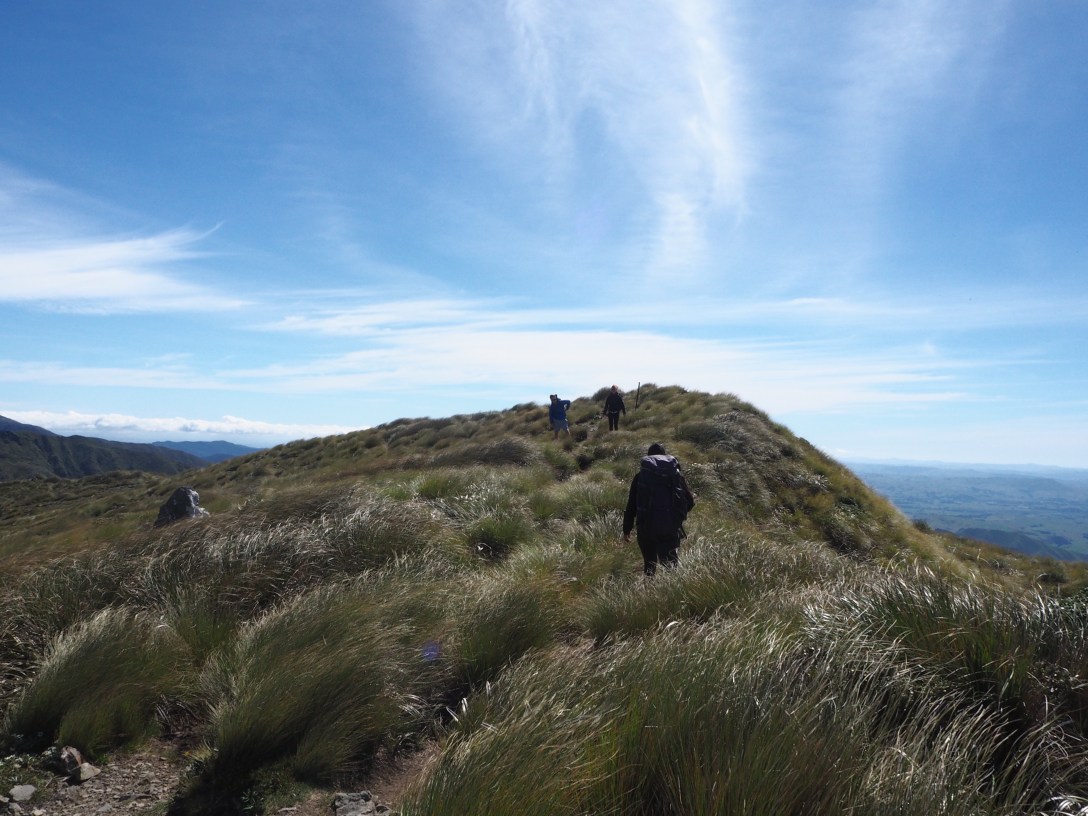
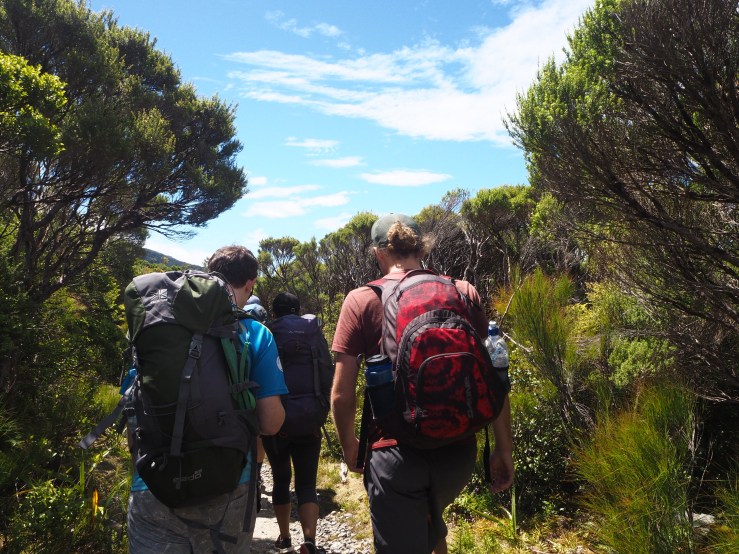
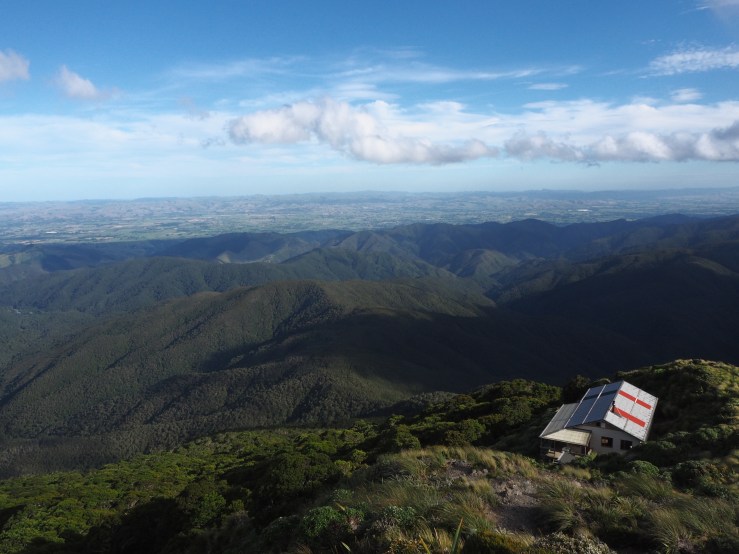
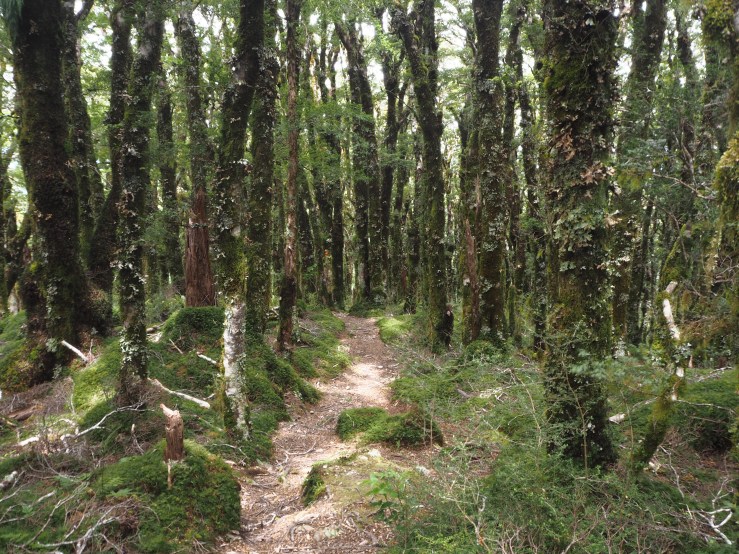
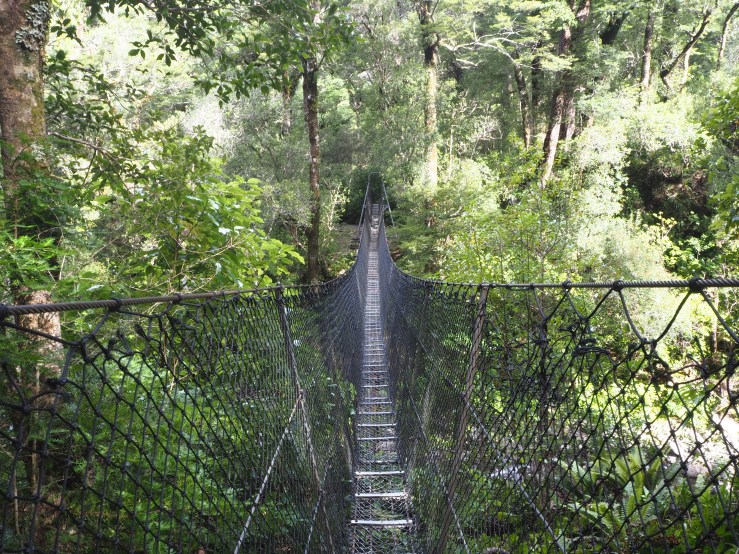
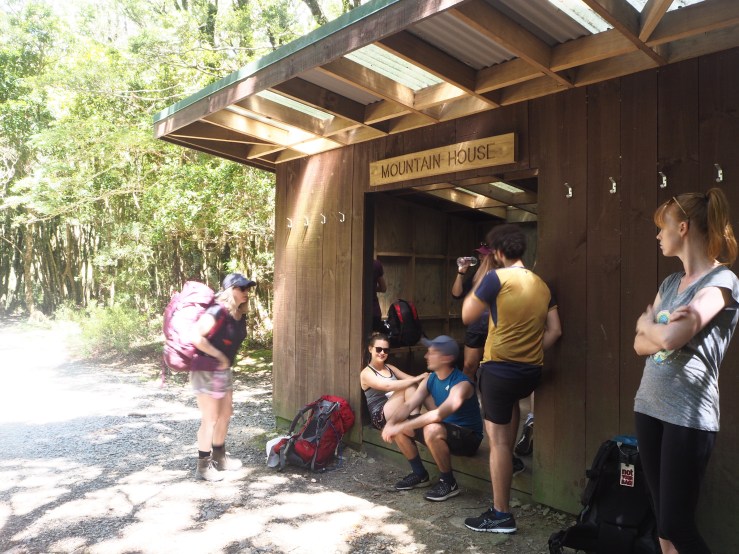
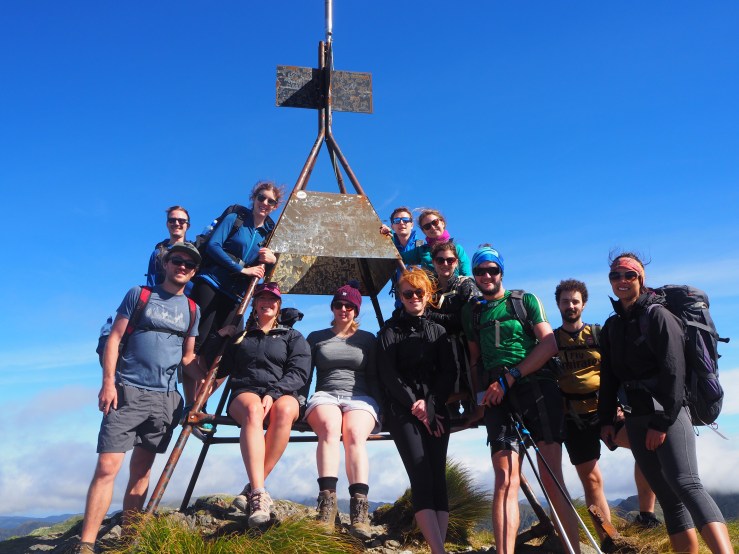
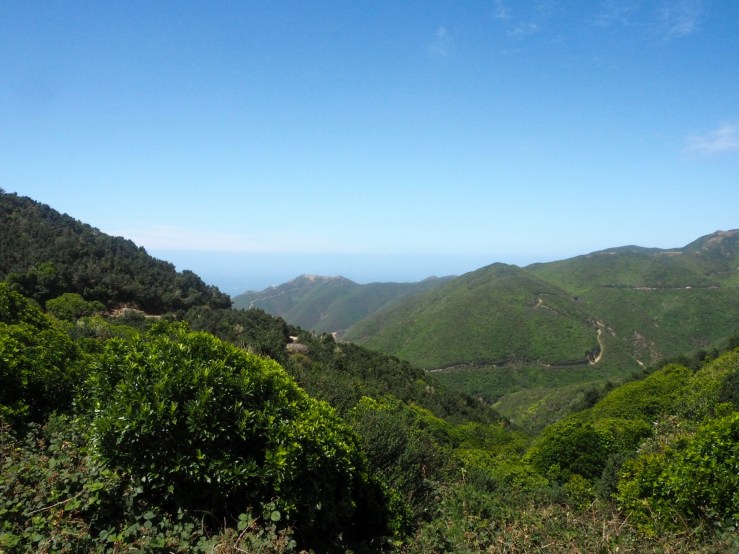
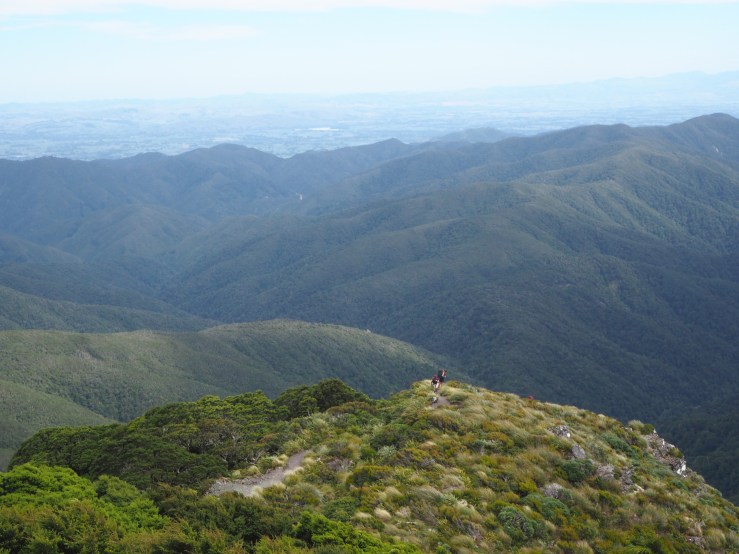
We’ve been lucky enough to make friends with cars who have been kind enough to take us along to a few trails, and we’re going to look into purchasing a vehicle of our own, but even if you have no access to a car here in Welly, there are still a lot of great hiking options. The closest is Mount Victoria, only a few minutes’ walk from the CBD (and where the hobbits hid from the ringwraiths under a log in The Fellowship of the Ring), but there are numerous other hikes of varying lengths and difficulties only a bus ride away. The photos in this post are from a few of my favourite hikes we’ve been on around Wellington so far.

I always thought that flat whites were an Aussie invention, but according to Wikipedia New Zealand claims it as well, so I’m counting it. I’d heard of flat whites before coming to the southern hemisphere, but I’d never tried one and now I’m hooked. It’s like a latte but less milky, a cappuccino but less foamy, the perfect combination to create a delicious coffee. I only had one for the first time about two weeks ago, and I’ve probably had five since. Similarly, hokey pokey is basically honeycomb ice cream, but somehow it’s so much better. There are these little crunch pebbles of honeycomb that sort of pop in your mouth and create a delicious sweet tweet.
It’s inevitable: when you’re job hunting, you will get rejected. Not every position is the right fit. Still, even if a job is a reach, there’s nothing more annoying than getting the professional equivalent of being left on “read”. Now, I don’t know if it’s actually a positive of kiwi culture or a negative of other places I’ve gone job-searching, but I’ve already gotten a number of responses—positive and negative—to applications I’ve sent in. Obviously, getting rejected is never fun, but it’s so much nicer to know one way or another rather than wondering whether maybe you’re the ideal candidate but your application accidentally ended up in the spam folder.

I arrived in Ireland in the middle of October and the Christmas holidays were already in full force. I personally hate hearing holiday tunes or seeing decorations before December, so that was far too early for me, but it was equally weird at first to get to Wellington in December and see almost nothing festive. However, I came to appreciate the holidays happening in the middle of summer—the weather is warm so you’re not stuck at home, students are in the midst of a much larger break from school, and there’s definitely something to be said for a Christmas BBQ. It’s especially nice when you have great friends whose family takes you in for the day.
Wellington has 200,000 fewer people than Seattle and Vancouver—and when you include the metro populations both cities’ populations are closer to the entire population of New Zealand than they are to its capitol. I grew up in a small town and have lived in small cities, but I’ve gotten used to living in bustling metropolises so I was curious what it would be like to move back to a smaller city. If I had any worry that there wouldn’t be enough to do, my fears were immediately allayed when we checked into our hostel and found a summer night market going on outside. There are countless meetups, events, and other activities happening throughout the city. I can’t wait to explore even more!

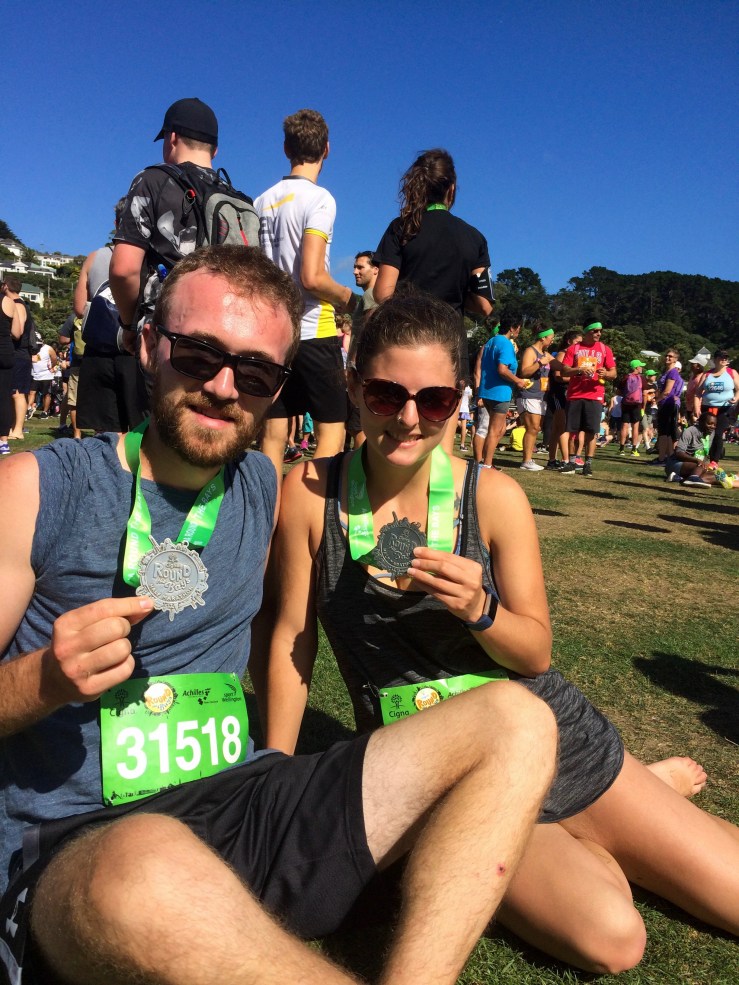
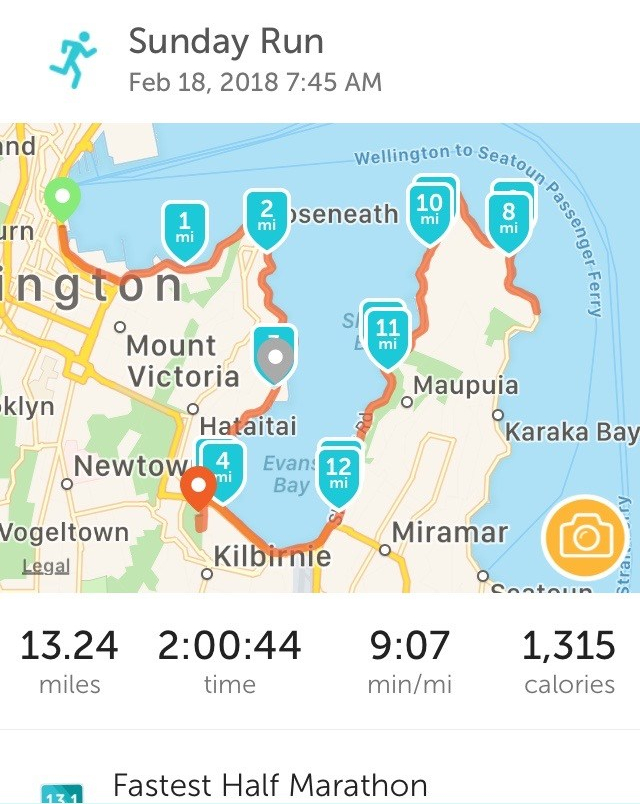
Ever since I ran a half-marathon in 2016 I’ve been talking about running another. The truth is, I’ve barely gone running at all since that race. Vancouver weather isn’t conducive to runs (super hot summers, super slushy winters) and unsurprisingly, neither is living in a van. I realised when I came over here that I probably wouldn’t start running again unless I actually signed up for a race, so when a friend mentioned Round the Bays I immediately registered. I’m definitely nervous because I had 13 weeks of training from registration to race date for the Vancouver half, and only half that for Round the Bays, but I’m feeling confident and ready to run.
Overall, I’m having an amazing time in Wellington and New Zealand so far, and I can’t wait to see what the next year brings (hopefully a job). I’ll keep you all up to date!
One of the most important things I’ve learned since starting a regular yoga practice about a year and a half ago is the power of small movements. It’s easy to get caught up in the thrill of or desire for the most intense and difficult postures—sinking a millimetre deeper in pigeon pose or your heels a nearly imperceptible amount closer to the floor in downward dog just don’t bring the same adrenaline rush that dropping back into wheel pose or managing your first headstand. Social media does not always help either. The “simple” poses just aren’t as sexy as inversions, backbends, and splits. But they’re equally important, and it’s equally important to notice and acknowledge our progress, however small, in whatever we do, and to recognise that there are different types of progress which are all worthwhile.
Many people have discussed the negative effects of social media on yoga, and I definitely agree with many of those critiques. I am beyond tired of Instagram yogis preaching truthfulness and honesty then making undisclosed sponsorship posts an hour later. But I love social media’s other impacts on yoga—finding inspiration from more advanced practitioners, participating in “yoga challenges,” and learning tips from teachers around the world. Still, I think one thing that’s sometimes lost, not only on the internet but also in my and probably many folks’ personal practice is the way small progress can enrich your routine. There’s a reason, after all, that yoga is called a “practice.”

In every aspect of life, I am a big fan of setting small, achievable milestone goals on the way to a larger goal. Yoga-wise, one of my New Years resolutions for 2017 was to get my splits; I didn’t achieve that, not even close. I’m not disappointed, but I realise that what I should have done is set smaller goals to work on, from one to another. From X to Y degrees (with Y obviously not being near 180 yet), for example. Reaching these small goals would be a good way to motivate myself to stay on track.
After General Leia, Finn’s face, and those cute little floofy owl creatures, the star of The Last Jedi was surely Skellig Michael. Throughout the film, magnificent shots of the Irish island punctuated the intergalactic action.
While this little island is now famous worldwide as the hideout of Luke Skywalker, it has always been an important part of Irish history. The site of an ancient monastery, it is also well known as a conservation area for an array of seabirds such as puffins. Skellig Michael can only be visited from May to October because of the rough ferry route, and unfortunately I haven’t had the chance to explore it yet, but while I was in Ireland this fall Steve took me around the Ring of Kerry and we were able to see the Skelligs (Skellig Michael and its smaller companion) in the distance.

I’m sure I’ll get the chance to explore Skellig Michael and its craggy, epic cliffs at some point in the next few years, but there’s no shortage of impressive historic sites in Ireland, and I have been lucky enough to visit a number of them. Here are a few of my favourites.
Brú na Bóinne / Newgrange

Stonehenge may be the most famous example of a neolithic site in the British and Irish isles, but it’s also one of the most overrated. You have to drive nearly two hours from London to walk around a largely unimpressive circle of rocks—at a distance and on the other side of a cordon, mind. Newgrange, on the other hand, is a chance to get up close and personal with a way cooler instance of neolithic architecture and design. This site is located a mere 45 minutes from Dublin and consists of a circular mound with an underground passageway made of stone that you can actually enter.

The most notable feature of this site is that the upper entrance of the mound aligns with the sun on the winter solstice so that a ray of light shines through into the inner chamber. To be inside the mound on this special day, you have to enter a lottery on your visit, and one of the reasons this site holds such a place in my heart is that I was actually lucky enough to win the lottery while I was living in Ireland. Unfortunately, the weather was too cloudy (in Ireland in December? You don’t say!) for any sun to make its way into the chamber, but it was still an incredible experience to know that we were standing in the same place, doing the same thing, as those who lived five thousand years before us.
Kia ora! As usual, I haven’t been updating this blog, so last you heard I was hanging out at my parents’ house in Pennsylvania, and now here I am on the other side of the world in Wellington, New Zealand. Steve and I arrived about three weeks ago to begin our 12-month working holiday visas here in New Zealand, and it’s been nothing short of amazing so far. I promise, promise, promise (but I always say that, don’t I?) I’ll give you some NZ details soon, but first I want to talk about the journey over and our stop along the way.
Before heading off to New Zealand, I went over to Ireland for a month. It was the first time i’d been back since finishing my MA and leaving three years ago, so I was so excited to return to Killarney, Galway, and see some new places like Wicklow and the Ring of Kerry. More on that later, but I want to jump ahead to leaving Ireland on November 21st.
The longest flight I’d ever taken before November was about nine and a half hours from Philadelphia to Madrid. We were looking about 30 from Dublin to Auckland. Obviously there are no direct options, so when we were deciding which route to take we started discussing stopping over somewhere for a few days to hopefully lessen the jet lag and take the opportunity to see somewhere new. And that’s how we ended up on a flight from Dublin to Heathrow before heading on to Kuala Lumpur, Malaysia.

We picked KL for a few reasons. It’s not Dubai, one of the most common spots for layovers between the east and west but someplace neither of us have much desire to see. The combination of Asian cultures that KL promised interested and appealed to us. It’s also meant to be far less expensive than other cities we considered like Hong Kong and Singapore. And so we booked a hostel and were off to Malaysia.
We arrived in Malaysia after almost 24 hours of traveling (counting layovers and time spent driving to the airport), hungry and tired and completely unprepared for the heat and humidity, coming from Ireland’s already wintery conditions. After checking into our hotel we only made it around the corner for some (delicious) indian food before returning to our room and collapsing to sleep.
Luckily, our flight was scheduled that we got to KL in the evening, so by morning we were fairly refreshed and our sleeping schedules weren’t too horribly screwed up. We ventured out to explore the city. Our first stop was the famous Central Market, where hawkers and vendors sold their wares to hordes of tourists. We were immediately tempted by any number of items but, having been told that KL is a shopping mecca, we used our willpower to hold off in anticipation for having plenty more options over the course of our stay.

As it turned out, our shopping trip would soon continue as we left the market to find a torrential downpour. Wanting to stay inside as much as possible until the rain let up, we headed for Bukit Bintang and a seemingly endless parade of malls. Usually I get equal parts bored and overwhelmed in massive shopping malls, but the bright lights, bustling crowds, and array of brands and shops I had never heard of combined to create an experience more like the Vegas Strip or New York City than a typical trip to the mall.
We cheerfully spent the rest of the afternoon going from shop to shop, mall to mall, and when the rain had let up we took a friend’s advice and made our way to Jalan Alor, the famous outdoor street food market.

I would be remiss if I didn’t tell you how amazing the food in KL is. For as little as three US dollars, you can stuff your face with incredible mee goreng (fried noodles), nasi goreng (fried rice), or my favourite, hokkien mee. This last we ate twice in Lot 10, a food court with an offshoot kiosk of the original restaurant that created this smokey, savoury noodle dish. I could have eaten it half a dozen times more if it hadn’t been for my desire to try as many different dishes as I could.

On days two and three of our trip, we visited the two most famous attractions in KL. The morning of the second day took us to the Petronas Towers, one of the tallest structures in the world (it’s the tallest twin tower, and the 12th tallest building overall). First we took the lift up to the skywalk on the 41st floor, where we stepped out onto the (enclosed) bridge between the two towers and got what we thought was an impressive view of the city.

And it was, but it was nothing compared to being sent up to the 83rd floor and walking around the observation room, taking in the 360-degree views of the city and surrounding area. One of the most striking things about KL is the contrast of old and new. Skyscrapers sit next to temples and down the street from aging villages. In the distance, the mountains and hills encase the city, impressing their own power on the imposing newness of the vibrant billboards and rushing traffic.

In the afternoon, we ventured south through Brickfields (also known as Little India due to its cultural make-up) and to the Royal Palace. Unfortunately we were not allowed to take pictures inside of the lavish rooms where the King and his family live when they are in the city, but it was still an interesting introduction to some of the political culture of Malaysia. I have to admit, I knew (and still know) very little about Malaysia, and on this trip we focused more on having fun and eating a lot of food than really learning, for fear of taking in too much information and arriving to New Zealand exhausted rather than refreshed, but I was glad to get a little break from the bustle of the city and see a bit of Malaysia’s history at the same time.
The next day, we visited KL’s other most famous attraction: the Batu Caves. Having heard advice from friends who had visited, we came prepared. We made sure to cover our knees and shoulders for modesty (although judging by the amount of skin most other tourist were showing, this wasn’t strictly enforced unless you were actually entering a temple) and, more importantly, we didn’t carry anything that the monkeys might try to steal.

We had been advised to visit the caves early in the day, when it wouldn’t be so hot to climb the steps up, and apparently everyone else had received the same advice as the steps were crowded with locals and tourists. Monkeys leapt around, not caring if they got in the way, happily stealing from unsuspecting people who stopped to take photos or look back at the city. The caves itself were cool to see, although heavily scaffolded from restoration construction work.

However, it was the cave just around the corner from the main entrance that was one of the highlights of my trip. The Dark Cave is an eco-reserve that traverses deep into the mountain and features an array of bat species, cave-dwelling insects, and one of the rarest spiders in the world. We took the 45-minute tour and were led by our excellent guide, Ain, into the cave.
Dark Cave is aptly named. For most of the tour, light from outside is visible. However, as you go deeper into the cave, it fades away until you turn the corner and find only illumination from the torchlights provided. Then, the tour guide asks you to switch off your lights before she switches off her own, leaving you in darkness so complete that opening and closing your eyes looks exactly the same. It’s an intense experience.
Throughout the tour you can hear the chirps of bats and the dripping of water. In one area, openings in the cave create an eerie wind. In another, the falling water creates a beautiful calcite waterfall, seemingly frozen in time as the moving water flows over it. I didn’t hear anything about this tour before we went, but if you are ever in KL I highly recommend it.

In the evening, it was back to the bright lights of the city and up to the top of a local hotel where a helipad-by-day, bar-by-night offers incredible views of the city. We stayed for two cocktails and then went exploring along the main tourist/bar street. A ladies’ night deal saw me drinking free gin & tonics—don’t worry, Steve wasn’t completely left out; he got 2-for-1 Long Islands. As you might expect, we weren’t up for doing much the following day.

Our flight on the day we left wasn’t until nearly midnight, and we were determined to cram as much into our last day as possible. In part, it was because we wanted to experience all of KL that we could, but it was also an effort to tire ourselves out in the hopes of catching a few minutes of shuteye on the flight to Auckland. We explored the botanical gardens in the morning. seeing a variety of local trees and flowers.
Afterward, we headed to the central market once more, where I tried something that I had been curious about since Steve had done it on our first day: a massage of sorts by small, toothless fish who got their sustenance by eating the dead skin cells of your feet. It was an incredibly weird but oddly nice feeling, and I have to admit my feet felt pretty good afterward, despite the number of miles I had put on them over the course of our trip.

Finally, a quick stop back at Jal Alor for one last dose of delicious Asian street food saw us off before we returned to our hotel, collected our luggage, and hopped in a taxi off to the airport. Onward to New Zealand!
“Being a writer” has a low bar to entry. It’s not like “being an engineer”—you don’t have to work as a writer or be trained as a writer or ever publish a word of your writing. You just have to write. Being a writer as a career obviously takes a little more effort. I am a writer by nature and by trade—for the last two years I’ve spent somewhere between two and ten hours a day, five days a week, writing. It’s not what people would consider “glamorous” writing, creating product copy for ecommerce websites; it’s not being a novelist or a features writer or any of my “dream” writing jobs, but it’s nice to be able to say that I pay my bills as a writer.
Plenty of writers have no interest or ability to write as a profession, and simply write in their free time as a hobby. Sometimes I envy that. Too often, after a full day of writing for work the last thing I want to do in my free time is open up Scrivener and start on my own projects. Even on weekends when I haven’t been writing all day, I feel as though I want a day off from this thing that I supposedly love and feel endlessly passionate about. This is where I admit that I haven’t finished so much as a short story in nearly a year. Heck, I’ve barely even started so much as a short story in that time. And you, dear readers, have seen how infrequently I manage to even update this blog.
Sometimes the self-doubt creeps in and I think that perhaps I’m not a writer. Maybe I’m a non-writer who just happens to write for a living. I know this is the kind of self-doubt that nearly every writer struggles with; twitter is full of jokes from amateur and professional writers about the trials and tribulations of putting words on the page.
The recipe is simple: to be a writer, you must write. You must write when you’re tired, or sad, or after you’ve written all day for work. You must especially write when you feel like every word that spews out is pure shit. Thriller writer Harlan Coben said, “You can alway fix bad pages. You can’t fix no pages.”
Stephen King said that he writes 2000 words each and every day. I know from several years’ experience participating in NaNoWriMo, where the daily average goal is 1667, words that writing 2000 words can take an hour or twelve, depending on the day. Obviously, that’s not feasible for everyone, whether they write for their job or not. But what I must learn to better remind myself is that ending a day having written a single word on a personal project leaves me with one more word than I started with, and sometimes that’s enough.
I won’t be participating in NaNo* this year—for most of November I’ll be visiting Ireland and toward the end Steve and I will be moving across the world to New Zealand where I’ll almost certainly be too preoccupied searching for housing and a job. I can’t commit to writing 2000 words a day, or maybe even 200. But I’m a writer, and so I must write.
* For the uninitiated: November is National Novel Writing Month, where thousands around the world attempt to write a 50,000 word novel in 30 days. Published novels that began as NaNo projects include The Night Circus by Erin Morganstern, Water for Elephants by Sara Gruen, and Fangirl by Rainbow Rowell.